Choosing the right car parking lift can be a daunting task. According to industry expert Michael Thompson, “The perfect lift seamlessly combines functionality with safety.” As urban spaces grow, the demand for efficient parking solutions also increases. A car parking lift can maximize space and enhance accessibility, offering innovative answers to everyday parking woes.
When selecting a car parking lift, consider your specific needs, including the size of your vehicle and the available space. These lifts come in various designs, from hydraulic to mechanical systems. Each type has its advantages and limitations. For example, hydraulic lifts tend to be quieter but may require more maintenance than mechanical options.
Understanding your requirements is crucial. Different lifts cater to diverse environments, such as residential or commercial spaces. Installation might pose challenges, especially in tight areas. Reflecting on these factors will ensure you make an informed choice, ultimately leading to a solution that best suits your lifestyle and parking challenges.
Understanding Different Types of Car Parking Lifts Available in the Market
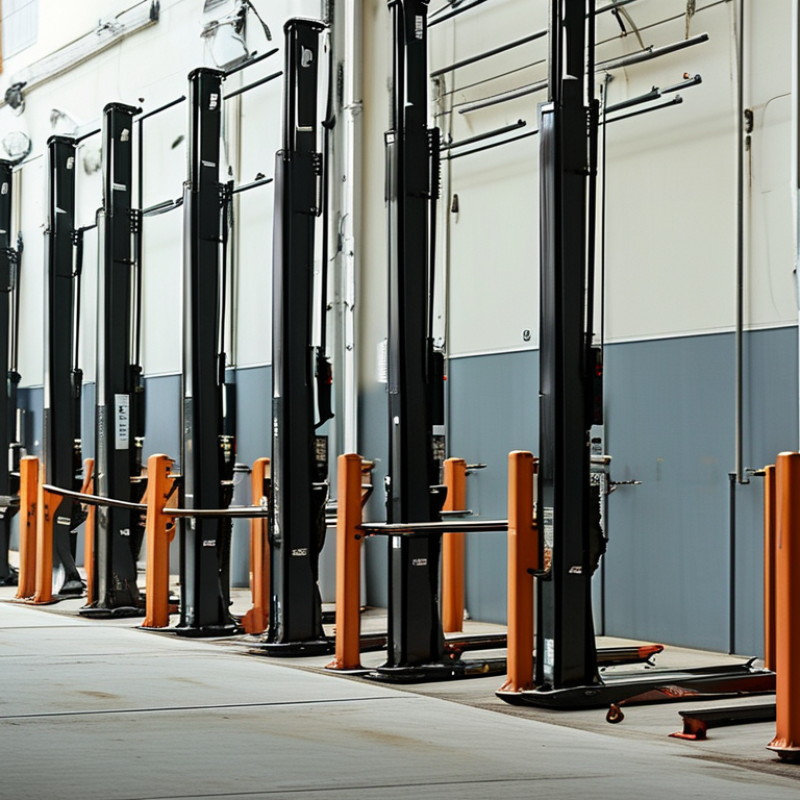
When considering a car parking lift, understanding the types available is crucial. The market offers various options, including two-post lifts, four-post lifts, and scissor lifts. Each type has its advantages depending on your specific needs. For instance, two-post lifts are effective for residential use, providing quick access to the undercarriage. In contrast, four-post lifts can accommodate larger vehicles and are often used in commercial settings.
Industry data indicates that the global parking lift market is expected to grow significantly, reaching an estimated value of $2.5 billion by 2028. This growth highlights the increasing demand for effective space-saving solutions. Each lift type serves distinct purposes. Scissor lifts are compact and ideal for limited spaces, while four-post lifts offer stability for longer vehicles.
Think about your space requirements before choosing a lift. Reflect on how many vehicles you need to lift at once. It's crucial to account for weight limits as well. The load capacity of a lift directly impacts safety and functionality. Don't forget to check the installation requirements as well. Ensuring the lift suits your property is vital for long-term use.
Assessing Your Space Requirements for a Car Parking Lift Installation
Assessing your space requirements is crucial when considering a car parking lift installation. Start by measuring the height, width, and depth of the area. Ensure there is sufficient overhead clearance for the lift mechanism. A small garage may limit your options. Tight spaces can create challenges that need thoughtful solutions. Many overlook the impact of surrounding structures. Walls, columns, or even drains can affect lift placement.
Think about the vehicle types you plan to park. A compact car requires less space than an SUV or truck. It's important to account for the lift's footprint and consider accessibility for drivers. Have you thought about the ease of entry and exit from the lift? Poorly planned dimensions can lead to frustration.
Consider future needs as well. Will you acquire different vehicles down the line? A flexible lift solution might be beneficial. Reflect on how often you need the lift. Daily use might require a more robust system. It’s vital to weigh the pros and cons of your setup. Evaluate your options thoroughly before making a decision. Becoming well-informed can lead to a more satisfying investment.
Evaluating Weight Capacity and Dimensions for Your Vehicle Needs
When selecting a car parking lift, understanding weight capacity and dimensions is crucial. According to industry standards, the average car weighs between 3,000 to 4,000 pounds. However, larger vehicles, such as SUVs and trucks, can exceed 5,000 pounds. Therefore, it’s essential to choose a parking lift that can safely accommodate your vehicle's weight. A lift with a weight capacity of at least 6,000 pounds is often recommended to ensure safety and efficiency for various vehicle types.
Dimensions also play a vital role in your decision. The height and width of the lift should accommodate your vehicle comfortably. Most typical parking lifts have a height clearance of about 6 to 7 feet. If your vehicle has additional height due to accessories like roof racks, consider a lift with extra clearance. Moreover, the width of the lift must allow for easy access without risking contact with the lift's sides.
Many users overlook these details until it's too late. A lift that is too narrow can make parking cumbersome. Additionally, one that does not offer sufficient weight capacity risks mechanical failure. Reports indicate that about 30% of lift failures result from improper weight configurations. Ensuring that the dimensions and weight limits of the lift meet your needs will not only prolong the lift's lifespan but also enhance your parking experience.
Analyzing Installation and Maintenance Considerations for Car Parking Lifts
Choosing the right car parking lift involves careful consideration of installation and maintenance. Proper installation is crucial for safety and efficiency. Most lifts require a flat, solid surface and adequate space for operations. A report from the National Institute of Standards and Technology indicates that incorrect installation accounts for nearly 30% of malfunctions. Engaging certified professionals ensures compliance with local building codes and safety regulations.
Maintenance is another critical aspect. Regular inspections can prolong the lifespan of the lift. The American Society of Mechanical Engineers recommends performing maintenance checks every six months. Components like hydraulic fluids and safety sensors should be evaluated regularly. Neglecting maintenance can lead to costly repairs. It’s estimated that improper maintenance can decrease the lift’s efficiency by 20%. Investing time in training staff on basic maintenance can be beneficial, though it often gets overlooked.
Balancing the initial investment and ongoing costs can be challenging. Many businesses underestimate the potential wear and tear on equipment. Being aware of these factors can lead to smarter purchasing decisions. Ultimately, the choice of parking lift should reflect not only current needs but also future requirements. It's essential to consider how changes in traffic flow or vehicle sizes might impact your selection.
Budgeting for Purchase and Operation of a Car Parking Lift
When budgeting for a car parking lift, start by examining your needs. Determine the type and size of the lift that suits your vehicle. Consider how often you will use it and the space you have available. Remember that a larger unit may provide more flexibility, but it also comes with a higher cost. Look at parking lifts with varying weight capacities to avoid overextending your budget.
In addition to the initial purchase price, include installation costs in your financial plan. Depending on complexity, installation can add significant expenses. Factor in ongoing maintenance as well. Regular upkeep is critical for ensuring safety and longevity. Many owners overlook this, which can lead to bigger issues later.
Don't forget about power consumption. Some lifts require more electricity, impacting long-term costs. Calculate potential energy expenses. This is an area where small savings can add up over time. Review your total budget regularly. Adjust as needed to ensure you are not caught off guard by unexpected expenses. Aim for transparency in costs and keep track of all related expenditures for a clearer financial picture.
How to Choose the Best Car Parking Lift for Your Needs? - Budgeting for Purchase and Operation of a Car Parking Lift
| Feature |
Description |
Costs (Estimated) |
Maintenance Frequency |
| Hydraulic vs. Electric |
Hydraulic lifts offer smooth operation, while electric lifts are often faster. |
$3,000 - $10,000 (purchase cost) |
Annual inspections recommended |
| Load Capacity |
Ensure the lift can handle your vehicles' weight. |
Impacts initial cost and operational costs |
Check quarterly for wear |
| Space Requirements |
Assess your garage space for fitting the lift. |
May require structural modifications |
Routine checks every six months |
| Safety Features |
Look for safety locks, emergency stop buttons, and sensors. |
Can affect insurance premiums |
Monthly visual inspections |
| Warranty |
Consider lifts with extended warranties for peace of mind. |
Included in purchase cost |
Dependent on the warranty terms |
Conclusion
When selecting the best Car Parking Lift for your needs, it's essential to understand the various types available in the market. Different designs and mechanisms cater to specific requirements, so assessing your space is crucial. Ensure the lift fits your installation area, taking into account ceiling heights and available floor space.
Moreover, evaluate the weight capacity and dimensions of the lift to accommodate your vehicle, as these factors can significantly impact functionality. Installation and maintenance considerations are also vital; make sure to choose a model that aligns with your capabilities and resources. Finally, budgeting for both the purchase and the ongoing operation of a Car Parking Lift is important to ensure a sound investment that meets your needs for years to come.

 Cherish