How to Choose the Right Coating Paint Line?

Time:2026-11-04 Author:Amelia
0%

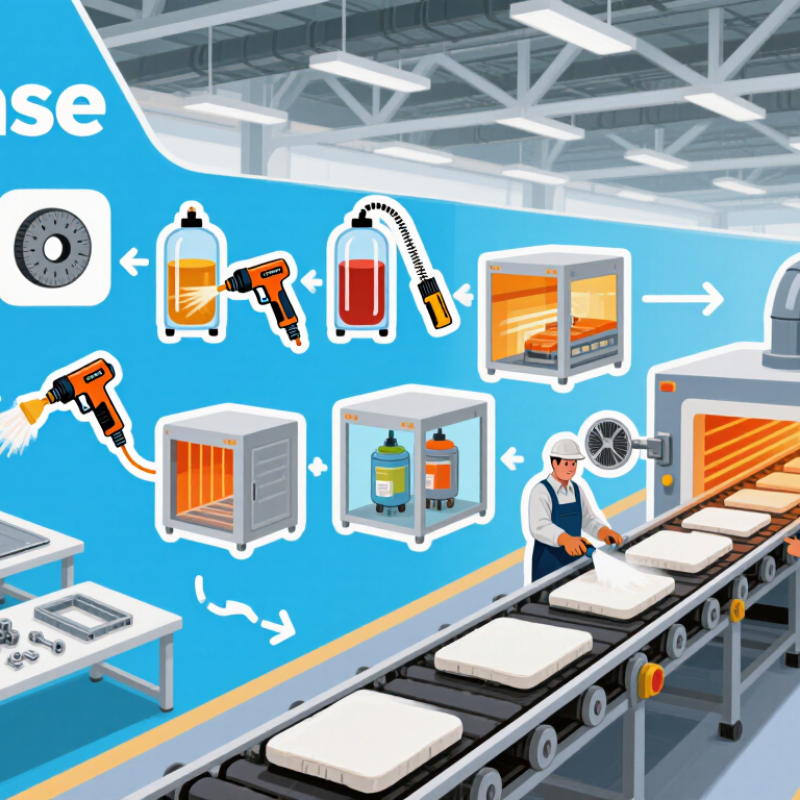
Choosing the right Coating Paint Line starts with the product, not the equipment brochure. Identify the parts you will coat, their materials, dimensions, surface condition, and expected daily volume. A steel panel and a molded component may need different pretreatment, application methods, and curing conditions. Small details matter.

Next, match the process to the coating. Compare spray, dip, or other suitable application methods, then check oven capacity, temperature control, conveyor speed, and ventilation. Ask how the line handles color changes, overspray, cleaning, and routine maintenance. A glossy finish may look simple, but consistent coverage depends on controlled film thickness and repeatable curing. Measure the results.

Budget for more than the purchase price. Include floor space, utilities, staffing, consumables, planned downtime, and future capacity. Request performance data using parts and coatings similar to yours. Discuss installation needs, operator training, spare parts, and service response with the supplier. When possible, inspect a working line or run a sample trial before committing. A spreadsheet cannot reveal every production problem.

The best choice is rarely the fastest machine on paper. It is the line that meets your quality targets reliably without making everyday operation unnecessarily difficult. Some estimates will still be imperfect; actual coating behavior can vary with part geometry, preparation, and shop conditions. Record assumptions, verify them with trials, and have qualified production and coating specialists review the final design.
How to Choose the Right Coating Paint Line?

Define Substrates, Part Dimensions, and Required Line Throughput

Choosing a coating line starts with the part, not the machine. Record each substrate, including steel, aluminum, or heat-sensitive plastics, because pretreatment and cure conditions differ. Measure the largest part’s length, width, height, weight, and hanging points. A long panel may fit the booth but collide with a neighboring part on the conveyor. Leave room for hooks, spray access, and airflow. Small details matter.

Then calculate required good parts per hour, not just the target shift total. Include loading, color changes, maintenance, and rejected parts. For a rough estimate, divide the available production minutes by the required finished parts; then check whether the conveyor speed and curing time can support that rate. The European Commission’s 2020 Best Available Techniques Reference Document for Surface Treatment Using Organic Solvents discusses solvent-use thresholds of 150 kg per hour or 200 tonnes per year for certain installations. These are regulatory screening thresholds, not production-rate targets. Don’t confuse them. Pilot runs can reveal issues that a spreadsheet misses. And real parts are rarely perfect: changing geometry or mixed workloads can reduce throughput more than expected.

Set Corrosion Protection Targets Using ISO 12944 C1–CX Categories

Choosing a coating paint line begins with the atmosphere the finished steel will face. ISO 12944 classifies atmospheric corrosivity from C1, very low, through C5, very high, to CX, extreme. A dry, heated interior may fit C1; an industrial site with persistent moisture may demand a higher category. These are starting points, not automatic answers.

Look closely at the actual exposure. Salt carried by wind, condensation beneath roof panels, and chemical pollution near process equipment can make nearby areas behave differently. A coastal address alone does not determine the category. Check the relevant ISO 12944 guidance and site conditions, including time of wetness and pollution. The boundary can be fuzzy. That deserves a second look.

Once the target category is set, match the coating system and application line to it. Confirm surface preparation, coating thickness, curing conditions, and coverage around welds, edges, and bolt heads. A neat flat panel can hide weak spots. Ask for documented process controls and test results, then consider a trial panel using the intended steel and geometry. ISO durability ratings estimate time to first major maintenance; they are not guarantees. I would also record assumptions, because early estimates can be wrong.

Compare Application Methods: Powder-Coat Transfer Efficiency Can Exceed 90%

Choosing a coating paint line starts with the part, not the headline efficiency figure. Powder coating can achieve transfer efficiency above 90% in well-controlled applications, because charged particles are attracted to grounded metal parts. Uncaptured powder may be collected and reused when it remains clean and suitable for the finish. That matters.

Liquid spray systems can suit parts requiring thin films, frequent color changes, or particular surface effects. But overspray may need capture, and some coating material can be lost during application. The comparison depends on how efficiency is measured: deposited material, reclaimed material, or total material consumed. A single percentage rarely tells the whole story.

On a shop floor, deep corners, sharp edges, poor grounding, and uneven booth airflow can all reduce powder coverage. A test panel with a uniform finish may not represent a complex production part. Not always. Track powder purchased, powder reclaimed, rejected parts, and cleaning time across actual runs. Also check curing needs: part temperature and time affect both finish quality and line capacity. The right choice may look less impressive on paper, but perform more reliably across the shapes and colors you produce.

How to Choose the Right Coating Paint Line?

Compare indicative coating transfer-efficiency ranges by application method.

Powder coating can exceed 90% transfer efficiency, while conventional spray methods typically transfer a smaller share of coating to the part. Actual results vary with equipment, part geometry, operating conditions, and overspray recovery. Bars show the midpoint of each indicative range.

Plan Powder Curing Around Typical 160–200°C Part-Metal Temperatures

When choosing a coating paint line, plan powder curing around the part’s actual metal temperature, not the oven display. Many powders specify a cure range near 160–200°C, but that is not a universal setpoint. The required hold time usually starts only after the metal reaches the specified temperature. Easy to miss.

A thin bracket may heat quickly, while a thick welded frame or crowded rack can lag behind the circulating air. That gap can leave powder under-cured even when the oven sensor looks correct. Secure temperature probes to representative parts: one on a heavy section and another near a cooler edge. Run a loaded trial, recording ramp time and time within the specified cure window. Check probe contact; loose tape can distort readings. Plans often look more certain than the measurements.

Design the line for repeatable heating. Consider airflow, heater control, conveyor speed, and spacing that avoids shadowing. Verify performance with different part sizes and production loads, not just an empty oven. A small test panel helps, but it cannot fully represent a massive assembly. If cure data is unclear, request the coating’s time-temperature schedule and test it on your parts. We sometimes over-trust one successful run. Keep the temperature traces; they make later adjustments less guessy.

How to Choose the Right Coating Paint Line? - Plan Powder Curing Around Typical 160–200°C Part-Metal Temperatures

Coating / Part Type Typical Cure Reference Line Planning Considerations Useful Process Checks Potential Fit
Standard thermoset polyester powder Often around 180–200°C part-metal temperature (PMT), with a formulation-specific hold time commonly in the range of about 10–20 minutes. Confirm the required time starts only after the part reaches the specified PMT. Allow for part mass, load density, and oven recovery between loads. Record PMT at representative thick and thin locations; verify gloss, adhesion, and cure using the coating supplier’s specified test methods. General-purpose exterior metal components when the selected powder’s weathering and corrosion performance meet the specification.
Low-temperature-cure thermoset powder Some formulations are designed for cure schedules around 160–180°C PMT; the required dwell varies by product. May help reduce heat exposure or energy demand, but do not assume a lower setpoint alone achieves cure. Check the exact product schedule and line speed. Measure PMT on the actual part and validate cure, appearance, and performance after a production-representative run. Heat-sensitive assemblies or temperature-limited substrates, subject to coating and substrate qualification.
Epoxy powder for indoor service Many products use a formulation-specific schedule within approximately 160–200°C PMT. Match the oven profile to the powder’s stated cure window; assess outgassing risk for porous castings and pretreatment compatibility. Check film continuity, adhesion, and corrosion resistance against the project specification. Indoor components where corrosion protection is important and prolonged outdoor UV exposure is not expected.
Thick steel fabrications Use the powder’s specified PMT and dwell; heavy sections may take substantially longer to reach PMT than thin parts. Evaluate heat-up time, rack loading, and oven capacity. A fixed conveyor speed can leave heavy sections under-cured while lighter areas are already hot. Place temperature probes on slow-heating sections and at thermally representative locations; map the load at production conditions. Batch or conveyor lines designed around the actual thermal mass and production mix.
Thin sheet-metal parts Apply the selected powder’s stated PMT and dwell; thin parts can reach oven temperature quickly. Watch for rapid temperature rise and excessive exposure. Consider part spacing and airflow so that the full load heats consistently. Use attached contact probes or a validated temperature logger; compare multiple locations across the load. High-throughput lines with controlled loading and a verified cure profile.
Mixed-thickness loads Schedule must provide the required cure for the slowest-heating part without overheating more sensitive parts. Separate parts into compatible load groups where possible. If that is impractical, qualify the complete load pattern and operating window. Profile both the heaviest and lightest representative parts; repeat checks after changes to speed, loading, or airflow. Flexible production lines that can manage load variation through validated recipes and monitoring.

Planning note: PMT is the temperature of the metal part, not the oven-air setpoint. Cure schedules vary by powder formulation and part geometry. Confirm the exact PMT-and-time requirement in the coating supplier’s technical data sheet, then validate it on the production line.

Check VOC Rules and Energy Use Before Finalizing Line Equipment

Before choosing a coating paint line, identify the VOC requirements that apply at the installation site. Rules can differ by location and coating type, so confirm them with qualified environmental staff before equipment is specified. Small details matter. Review the coating’s safety and technical data, expected production hours, and solvent use. Estimate emissions at realistic line speeds, not only at the advertised maximum. Ask how the design captures and treats exhaust, and check whether measurements or permits are required. Keep the assumptions in writing; early estimates are easy to forget.

Energy use deserves the same scrutiny. Compare oven fuel or electricity demand at the temperatures your parts actually need. A long oven may look efficient on paper, yet poor airflow or frequent idle time can waste heat. Request load-based estimates, including exhaust fans, pumps, and pretreatment stages. Ask whether heat recovery is practical, and how it affects maintenance. Then compare those figures with likely shift patterns and utility costs. One imperfect estimate is better than none, but it should be labeled clearly and checked against a production trial.

FAQS

What do ISO 12944 corrosivity categories describe?

They classify atmospheric corrosion from C1, very low, to CX, extreme. They guide coating choices.

Does a coastal location automatically require a high category?

No. Check windblown salt, condensation, pollution, and time of wetness at the actual site. Nearby areas can differ.

What details should a coating system match?

Match the target exposure and verify surface preparation, film thickness, curing, and coverage on edges, welds, and bolt heads.

How can a team check coverage on complex parts?

Test a panel made from the intended steel and geometry. Deep corners and sharp edges can behave differently. Flat panels can mislead.

Does powder coating always exceed 90% transfer efficiency?

No. It can exceed 90% in controlled conditions, but grounding, booth airflow, and part shape affect results. One number is not enough.

When might liquid spray be a better fit?

It may suit thin films, frequent color changes, or specific surface effects. Compare actual material use and overspray.

What should be checked before specifying equipment for VOC requirements?

Confirm site-specific requirements with qualified environmental staff. Review coating data, realistic line speeds, exhaust treatment, and measurement needs.

How should energy use be estimated for a coating line?

Compare oven demand at actual part temperatures. Include fans, pumps, pretreatment, idle time, and likely shifts. Estimates can be wrong.

Do durability ratings guarantee a maintenance schedule?

No. They estimate time to first major maintenance, not a guaranteed service life. Record assumptions and revisit them after production trials.

Conclusion

Choosing the right Coating Paint Line starts with understanding the parts it must handle. Define the substrate, dimensions, shape, and required production throughput before selecting equipment, since these factors affect line layout, handling systems, and application capacity. Set corrosion-protection requirements according to the operating environment, using the ISO 12944 categories from C1 to CX as a guide for specifying the appropriate coating system and level of durability.

Next, compare application methods, considering finish quality, material use, and operating needs. Powder coating can achieve transfer efficiency above 90%, making it a strong option for many applications. Plan curing around the coating’s requirements and the typical part-metal temperature range of 160–200°C, while allowing for differences in part thickness and line speed. Finally, assess applicable VOC requirements and expected energy consumption before finalizing equipment. Balancing production goals, protection needs, process efficiency, and operating costs will help create a line suited to both current demands and future growth.


Amelia

Amelia

Amelia is a seasoned marketing professional with a wealth of expertise in our company’s core offerings. With an unwavering passion for driving growth and innovation, she plays a pivotal role in shaping our marketing strategies and enhancing brand visibility. A key aspect of her responsibilities......