Urban land is getting tighter, while vehicle ownership continues to pressure residential and commercial parking capacity. Allied Market Research reported that the global automated parking system market was valued at approximately USD 1.9 billion in 2022. It also projects the market to reach about USD 3.8 billion by 2032. These figures show growing interest in space-efficient parking technology. Yet market growth does not make every Scissor Parking Lift suitable for every building.
Donald Shoup, professor emeritus at UCLA and a leading parking policy expert, wrote, “Parking requirements are a fertility drug for cars.” His observation highlights a practical problem: more vehicles often demand smarter space planning, not simply larger parking areas. A scissor lift can create vertical capacity in a compact footprint, but its platform size, lifting height, rated load, pit requirements, and safety systems must match the site. Small details matter. A low ceiling can limit vehicle access. A narrow ramp can make daily use frustrating. Poor drainage can also create long-term maintenance issues.
This guide examines seven practical tips for choosing a Scissor Parking Lift. It considers real installation conditions, operating frequency, maintenance access, and user behavior. Manufacturer brochures rarely show the difficult parts. That is where buyers can become careless, including experienced buyers. No checklist replaces a professional site survey, structural review, and clear maintenance plan. The process may feel slower at first. It can prevent expensive corrections later. Data supports the opportunity, but careful judgment determines whether the lift performs reliably.
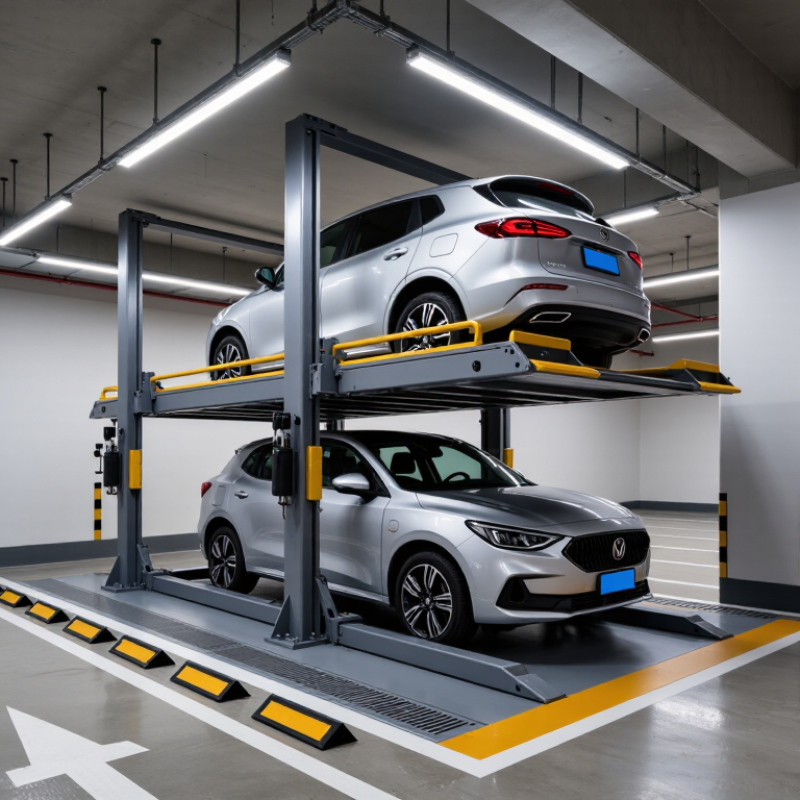
Scissor parking lifts suit sites where floor area is tight but vertical clearance is available. Common configurations include single-platform lifts for stacking one vehicle above another, pit-mounted models that lower a car flush with the floor, and multi-level systems that move platforms vertically. A surface-mounted lift can fit a small workshop or residential garage; a pit system may work better in a showroom or basement where a level floor matters. The right choice depends on ceiling height, vehicle weight, slab capacity, drainage, and how often users need access. Measure actual vehicles, not just the stated bay size. SUVs can be awkward.
Urban demand adds context, though it does not determine equipment choice. The United Nations’ World Urbanization Prospects 2018 projected that 68% of the global population would live in urban areas by 2050. That forecast helps explain interest in compact parking, but it is not a lift-sizing standard. Ask an engineer to verify structural loads and installation conditions before selecting a system. Compare platform width, lifting height, cycle time, safety locks, and maintenance access across models. A lift that parks two cars may still be a poor fit if the lower vehicle must move every time the upper one is needed. Plan for daily routines, not just maximum capacity.
Tip 1: Measure the vehicle, not just its advertised class. Record length, width, height, wheelbase, and door clearance. Mirrors and roof accessories often add unexpected centimeters. Leave room for opening doors and walking safely around the parked vehicle. A narrow space may fit on paper, yet feel unusable every day.
Tip 2: Match lift capacity with the vehicle’s real loaded weight. Check the manufacturer’s rated capacity, then include fuel, tools, luggage, and seasonal equipment. Avoid choosing a lift that operates near its maximum limit. A reasonable safety margin supports smoother operation and reduces mechanical strain. Professional installers should verify the slab, anchors, and electrical requirements before installation.
Tip 3: Study the parking space from several angles. Measure ceiling height, overhead pipes, wall distance, drainage, and the approach path. The lift may rise correctly but block a light, garage door, or storage area. Clearance matters above and below. Do not forget the lower vehicle’s height.
One practical mistake is measuring the empty bay too quickly. Mark the lift footprint with tape and test the walking path. This simple trial may reveal a problem that drawings miss. I would also recheck measurements after flooring or storage changes, because a suitable space can become restrictive later. Safety sensors, emergency controls, and routine maintenance access deserve attention, not just lifting height.
Comparing Safety Features and Installation Requirements
Tip 1: Check the rated capacity against the heaviest vehicle you expect to park. Include tools or equipment that may remain inside.
Tip 2: Compare mechanical safety locks, not just hydraulic pressure. Locks should engage securely as the platform rises. Ask how the lift is lowered during a power failure. Small details matter.
Tip 3: Inspect the pinch-point guards and platform edges. A clear view of moving parts can help operators keep hands and feet away.
Tip 4: Review the installation surface before choosing a model. The floor must meet the lift’s requirements for strength, thickness, and levelness. A qualified installer can assess the slab; guessing from its appearance is not enough. Measure ceiling height, too.
Tip 5: Confirm electrical needs, access routes, and space for servicing. A lift may fit on paper but leave too little room to open a vehicle door or reach controls.
Tip 6: Compare emergency stops and lowering procedures, and make sure operators can understand them quickly.
Tip 7: Read the maintenance schedule and ask what inspections are needed. This part is easy to overlook. I would revisit the measurements before ordering, since one missed clearance can turn a good installation plan into an awkward one.
A scissor parking lift should fit the daily rhythm of the site, not just the vehicle dimensions on a drawing. Watch a full operating cycle: how long the platform takes to rise, whether controls are easy to reach, and how clearly the operator can see the vehicle. A ramp, wheel stops, and platform edges should be checked during a site visit. Small details matter. A lift that feels awkward with a compact car may be harder to use with a long vehicle or in a crowded garage. Ask about rated capacity, platform size, and required floor conditions, then compare those figures with actual vehicles and available clearance. One overlooked point is noise; repeated hydraulic operation can affect nearby offices or homes.
Maintenance access matters just as much as performance. Ask which components need routine inspection, how often checks are recommended, and whether service points remain reachable when the lift is installed. Look for clear instructions on hydraulic fluid, hoses, safety locks, and emergency lowering. Keep a written inspection log. It helps staff notice changes, such as slower movement or uneven lifting, before they become bigger problems. Accessibility deserves a practical test, too: can a technician reach the controls without stepping into a vehicle path? Can users enter and exit safely when the platform is lowered? A site may look spacious on paper, yet door swings, columns, or poor lighting can create real friction. Measure these conditions in person. I would not rely on a brochure alone; installation details can change how simple the lift feels to operate and maintain.
| Tip | Evaluation Dimension | What to Check | Why It Matters | Practical Question |
|---|---|---|---|---|
| 1 | Vehicle capacity | Confirm the lift’s rated load, platform dimensions, and vehicle-clearance limits. Compare them with the heaviest and largest vehicles expected to use it. | Exceeding rated capacity or platform limits can create unsafe loading conditions and may damage equipment. | Does the rated capacity cover the intended vehicles with an adequate safety margin? |
| 2 | Operating cycle and controls | Review raising and lowering procedures, control location, emergency-stop access, and safeguards that prevent unintended operation. | Clear, consistent controls help operators use the lift correctly and reduce the likelihood of operating errors. | Can trained users operate the lift safely from a position with a clear view of the work area? |
| 3 | Installation space and site conditions | Measure the available floor area, ceiling height, vehicle approach path, and required access around the equipment. Check the supporting surface and installation requirements. | Insufficient clearance or an unsuitable floor can restrict operation and complicate installation. | Do the site measurements meet the lift’s documented installation and clearance requirements? |
| 4 | Safety features | Check for mechanical safety locks, overload protection, stable platform design, emergency lowering procedures, and guards around moving parts, as applicable to the model. | Safety devices help limit hazards associated with lifting, holding, and lowering vehicles. | Are the safety devices clearly documented, accessible, and included in operator training? |
| 5 | Maintenance access | Ask for the inspection schedule, lubrication points, hydraulic-system checks, wear-item requirements, and recommended service intervals. | Routine inspection and servicing can identify wear, leaks, or other issues before they affect reliable operation. | Can qualified service personnel reach inspection and maintenance points without unnecessary disassembly? |
| 6 | Parts and technical support | Verify the availability of replacement parts, service documentation, technical assistance, and expected response times in your area. | Accessible support can reduce downtime when a component needs inspection or replacement. | Are commonly serviced parts and clear troubleshooting instructions available when needed? |
| 7 | User accessibility and workflow | Evaluate approach routes, control height, platform access, lighting, and the space needed for users to move safely around the lift. | A workable layout supports safer access and fits the lift into everyday parking or service routines. | Can intended users reach the controls and work area comfortably while keeping clear of moving parts? |
Reviewing Costs, Warranty, and Long-Term Value
Choosing a scissor parking lift requires more than comparing purchase prices. Check the rated load, platform dimensions, and ceiling clearance against your actual vehicles. A lift that barely fits can become expensive after installation. Ask for the full delivered cost, including freight, electrical work, anchoring, and required permits. Request a written quote. On real installations, hidden preparation work can exceed early estimates. Local conditions can still change everything.
Study the warranty line by line. Confirm coverage for the structure, hydraulic pump, seals, controls, and safety locks. Ask who pays labor and shipping for replacement parts. A short response time may matter more than a long warranty. Check required maintenance records and whether servicing affects coverage. Get service contacts in writing. Do not trust vague promises. Ask about cycle testing, emergency lowering, and technician training. These details show whether the equipment suits daily use.
Estimate value over five to ten years. Include oil changes, inspections, electricity, repairs, downtime, and eventual removal. Choose corrosion-resistant finishes for garages with moisture or road salt. Verify spare-part availability before paying a deposit. Consider resale carefully. Specialized equipment may have fewer buyers. I once favored a cheaper option and underestimated installation delays. It worked, but lost parking income weakened the bargain. A simple spreadsheet may expose that mistake early.
Single-platform lifts stack one car above another. Pit-mounted models lower a platform flush with the floor. Multi-level systems move several platforms vertically.
Measure vehicle length, width, and weight, then check ceiling height and floor capacity. Include door swings, columns, and room for ramps. SUVs can be awkward.
Not necessarily. Consider how often drivers need each car. The lower vehicle may need to move before someone can access the upper one. A small inconvenience adds up.
Watch the platform rise and lower. Check control access, visibility, wheel stops, noise, and how smoothly the vehicle enters. Small details matter.
Ask an engineer to verify structural loads, slab capacity, drainage, and installation conditions. A drawing alone may miss a troublesome floor or tight clearance.
Ask how to inspect hoses, hydraulic fluid, safety locks, and emergency lowering systems. Keep a written inspection log. Look for slow or uneven movement.
Request a written estimate for delivery, electrical work, anchoring, and site preparation. Add inspections, repairs, electricity, downtime, and eventual removal. Estimates can miss things.
Check coverage for the structure, pump, seals, controls, and safety locks. Confirm who pays for labor and shipping. I would not rely on vague promises.
Choosing the right Scissor Parking Lift starts with understanding the available lift types and how each suits your parking layout and intended use. Consider the size and weight of the vehicles you plan to park, the lift’s rated capacity, and the space available for installation and vehicle access. Comparing safety features, operating requirements, and installation needs can help you identify a solution that fits your site and provides dependable day-to-day use.
Also evaluate how easy the lift is to operate, maintain, and access for routine servicing. Review the purchase and installation costs alongside warranty coverage and expected long-term value, rather than focusing on upfront price alone. By weighing these factors together, you can choose a Scissor Parking Lift that makes efficient use of space while meeting your practical needs for safety, convenience, and lasting performance.

Cherish