Why Choose a Powder Coating Spray Line for Your Business?

Time:2026-10-14 Author:Mason
0%

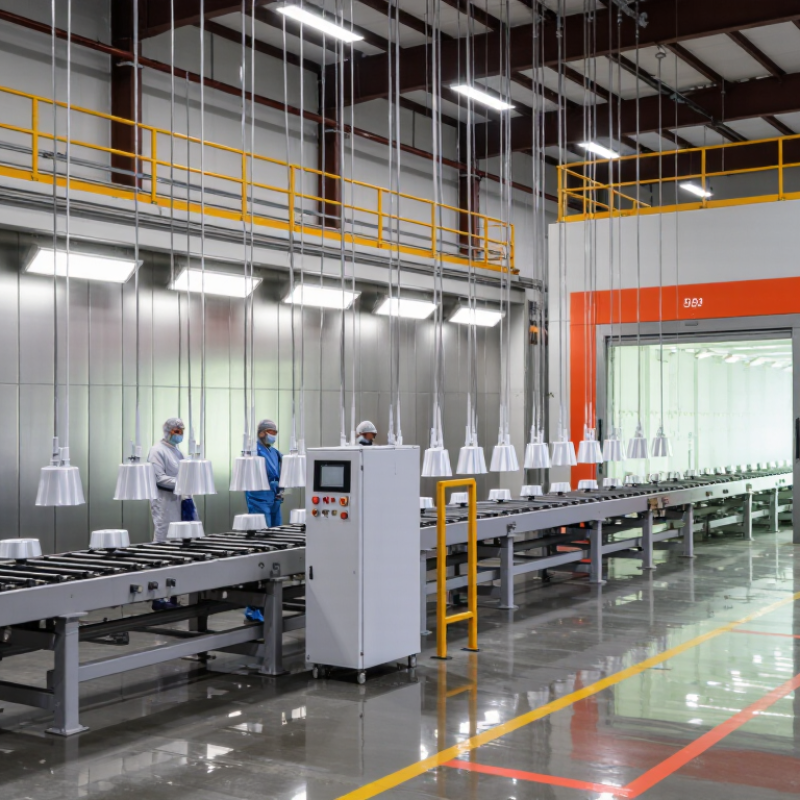
A Powder Coating Spray Line can transform a finishing area from a dusty bottleneck into a controlled production system. Parts enter on a conveyor, pass through pretreatment, receive an electrostatic powder charge, and cure inside a carefully monitored oven. This sequence can improve transfer efficiency, finish consistency, and production visibility.

Market data supports serious evaluation. Grand View Research valued the global powder coatings market at approximately USD 15.45 billion in 2023 and projected continued growth through 2030. MarketsandMarkets also forecasts strong expansion, although estimates differ by research method and market definition. That difference deserves attention. Businesses should not treat one forecast as certainty.

Kevin Biller, president of The Powder Coating Research Group, has described powder coating as “the fastest growing finishing technology in the world.” His observation reflects wider industry adoption across automotive components, appliances, architectural products, and metal furniture. The U.S. Environmental Protection Agency also identifies powder coating as a low-VOC finishing option because it uses little or no solvent during application.

However, a Powder Coating Spray Line is not automatically the best investment. Color changes can consume production time. Overspray recovery requires proper filtration and maintenance. Large ovens may increase energy demand. These practical details matter more than attractive brochures.

A well-designed line can reduce rework, improve operator safety, and create repeatable film thickness. The strongest decision combines supplier experience, verified energy data, coating trials, and realistic production volumes. That is where professional judgment begins.
Why Choose a Powder Coating Spray Line for Your Business?

What a Powder Coating Spray Line Is and How It Works

A powder coating spray line is an integrated system for applying and curing dry powder on metal parts. It normally includes a pretreatment stage, conveyor, spray booth, recovery unit, curing oven, and cooling area. The spray gun charges powder particles electrostatically. A grounded workpiece attracts them, creating an even layer before curing. Heat then melts and cross-links the powder into a hard film, usually between 160°C and 200°C.

The process can reduce material waste and solvent exposure. The U.S. Environmental Protection Agency describes powder coating as a process with little or no VOC emissions during application. The Powder Coating Institute also reports transfer efficiency can exceed 95% under controlled conditions. Grand View Research valued the global powder coatings market at approximately 14 billion dollars in 2023. These figures support strong industrial demand, but they do not guarantee quick returns. Oven energy, booth size, color changes, and pretreatment quality still affect operating costs. The process is efficient, not effortless.

Tips: Keep parts properly grounded and test film thickness at several points. A small grounding fault can leave thin edges or uneven coverage. Clean the booth before major color changes. Reclaimed powder may lower waste, but excessive reuse can affect consistency. Operators should record temperature, conveyor speed, humidity, and defect rates every shift. This simple record often reveals problems before they become expensive.

Key Components and Stages of a Powder Coating Spray Line

A powder coating spray line is more than a booth and a spray gun. It is a connected system designed for repeatable surface finishing. Key components include a loading area, conveyor, pretreatment section, drying oven, spray booth, powder guns, recovery unit, curing oven, and unloading station. Each part affects the final coating quality.

The process begins with cleaning and surface preparation. Oil, dust, and oxidation must be removed before coating. A drying oven then eliminates moisture from the workpiece. Inside the spray booth, electrostatic guns charge the powder and direct it toward grounded metal surfaces. Overspray is collected by the recovery system, which can reduce material waste when properly maintained. The conveyor controls spacing, speed, and exposure time.

Curing is a critical stage. The oven must provide stable heat and adequate dwell time for the powder to flow and bond. Operators should verify metal temperature, not only oven air temperature. Small errors can cause weak adhesion, uneven gloss, or orange-peel texture. The line is not magic. Poor pretreatment can defeat expensive equipment. In shop-floor evaluations, clogged filters and inconsistent grounding often reveal hidden maintenance problems. Regular checks of gun voltage, airflow, booth cleanliness, and conveyor speed support reliable production. Still, every coating line needs adjustment for part shape, thickness, and production volume.

Business Benefits of Using Powder Coating Technology

Why Choose a Powder Coating Spray Line for Your Business?

Business Benefits of Using Powder Coating Technology

A powder coating spray line can improve production speed and finish consistency. Operators apply dry powder to prepared metal parts using controlled spray equipment. The coating then cures inside a heated oven, creating a hard, even surface. This process usually produces less liquid waste than traditional solvent-based painting. It also reduces drying time between production stages.

Businesses can benefit from lower material loss and simpler workplace handling. Unused powder may be collected and reused when the process allows it. A well-designed line also supports repeatable settings for spray distance, voltage, airflow, and oven temperature. These details matter when coating brackets, cabinets, frames, or outdoor equipment. A durable finish can reduce visible scratches and frequent repainting. That may support better customer satisfaction over time.

The investment is not automatically suitable for every workshop. A small facility may need careful planning for ventilation, curing space, and operator training. The first trial can expose uneven coverage or incorrect curing temperatures. That is useful feedback, not failure. Experienced technicians should check film thickness, adhesion, color consistency, and surface preparation. Poor preparation still causes problems. Regular equipment checks and documented quality records make results more reliable. The real business benefit comes from matching the spray line to product volume, part size, labor skills, and local safety requirements.

Factors to Evaluate Before Choosing a Spray Line

Why Choose a Powder Coating Spray Line for Your Business?

Factors to Evaluate Before Choosing a Spray Line

Choosing a powder coating spray line requires more than comparing equipment prices. Start with your actual workload. Measure daily parts, coating colors, material sizes, and production peaks. A line designed for small brackets may struggle with long frames or heavy panels. Record part dimensions carefully. Guesswork becomes expensive later.

Check booth size, airflow, powder recovery, curing oven capacity, and conveyor speed. The oven must maintain stable heat across every part surface. Uneven heating can cause weak adhesion, rough finishes, or wasted batches. Ask suppliers for test results using your materials and typical part geometry. Maintenance access also matters. Filters, guns, and reclaim systems need quick inspection. If operators cannot reach them safely, downtime may increase.

Tips: Compare total operating costs, not only the purchase price. Include energy use, powder waste, cleaning time, spare parts, training, and planned maintenance. Review control settings with experienced operators. Simple controls often outperform complicated systems when production changes frequently. Also, leave room for improvement. Many businesses plan for today’s orders and forget future product sizes. That mistake is common, and sometimes avoidable. Evaluate safety features, ventilation, and worker procedures with qualified professionals before installation. A reliable spray line should support consistent quality without making daily work unnecessarily difficult.

How to Match the System to Your Production Needs

Why Choose a Powder Coating Spray Line for Your Business?

How to Match the System to Your Production Needs

A powder coating spray line should fit your production, not simply your available floor space. Start with daily output, part dimensions, material weight, and finish requirements. A small batch operation may need flexible manual spraying and quick color changes. High-volume production usually benefits from automated guns, continuous conveyors, and a larger curing oven. Measure your largest parts carefully. An oven that seems adequate on paper may create uneven curing in real production.

Tips: Record peak demand, not average demand. Check power, ventilation, compressed air, and floor height before selecting equipment. Leave room for maintenance access. It matters.

Your coating material also influences the system design. Frequent color changes require an efficient booth and accessible powder recovery equipment. Complex parts may need adjustable gun angles or skilled operators. Test samples at different line speeds and oven temperatures before making a final decision. In my experience, rushing this stage causes avoidable rework, especially on heavy steel parts. A perfect specification is rarely possible at the beginning. Review actual production data after installation, then adjust conveyor speed, spray settings, or curing time. Do not assume the fastest line is the most productive. Stable quality, low powder waste, and simple maintenance often create better long-term results.

Why Choose a Powder Coating Spray Line for Your Business? - How to Match the System to Your Production Needs

Production Requirement Typical Planning Range Recommended Line Configuration Why It Matters
Annual production volume Small: up to 25,000 parts/year
Medium: 25,000–150,000 parts/year
High: above 150,000 parts/year
Manual booth for low volume; reciprocators or automatic guns for repeatable medium-to-high volume Volume determines the required automation level, booth size, conveyor speed, and curing capacity.
Part size and weight Small components to large frames; confirm maximum part envelope and load weight before layout Select booth dimensions, oven clearance, hanger spacing, and conveyor load rating around the largest regular part Insufficient clearance can restrict airflow, create uneven coating, or prevent safe movement through the oven.
Required coating finish Standard decorative finish, textured finish, metallic finish, or high-durability protective finish Use suitable powder-feed equipment, grounding, spray control, and curing verification for the specified powder system Film appearance and performance depend on powder compatibility, application consistency, and correct cure.
Color change frequency Occasional: fewer than 3 changes/day
Frequent: 3–10 changes/day
Very frequent: more than 10 changes/day
Manual cleaning for occasional changes; quick-clean booth and powder recovery controls for frequent changes Shorter changeover time improves equipment utilization and reduces cross-contamination risk.
Conveyor speed Common planning range: approximately 1–10 m/min, depending on part spacing and required output Choose variable-speed control and coordinate booth dwell time with oven heating and curing requirements Speed affects throughput, powder application time, oven residence time, and final coating quality.
Curing oven requirement Many thermoset powders require a documented metal temperature and time specified by the powder supplier Size the oven by part mass, load density, conveyor speed, heat-up profile, and required curing window Oven air temperature alone does not confirm cure; part metal temperature should be verified.
Powder recovery needs Low recovery need for small batches; higher recovery value when overspray volume and repeat production increase Add cartridge or cyclone recovery only when powder type, color strategy, and operating volume justify the added complexity Recovery can reduce powder waste, but cleaning requirements and color separation must be managed.
Transfer efficiency target Often improved through correct grounding, gun settings, part presentation, and consistent film thickness Use automatic controls where part geometry and production repeatability support them; validate settings with test panels and inspections Better transfer efficiency can lower powder consumption and reduce booth housekeeping requirements.
Pretreatment process Cleaning and conversion treatment depend on substrate, contamination level, corrosion requirement, and local regulations Use manual pretreatment for lower volumes or a multi-stage washer for consistent higher-volume production Pretreatment is a major factor in adhesion and corrosion resistance, especially for steel and aluminum parts.
Available facility space Layout must include loading, pretreatment, drying, spraying, curing, cooling, inspection, and safe maintenance access Choose a compact batch system when floor space is limited; use an in-line system when continuous flow is justified A practical layout reduces handling, bottlenecks, unsafe access, and future expansion limitations.
Operator skill and labor model Manual systems require more operator technique; automated systems require programming, maintenance, and process control skills Match automation to available training, staffing, maintenance support, and quality-control capability The most automated line is not always the best choice if the facility cannot support it reliably.
Quality-control priorities Film thickness, visual appearance, adhesion, cure verification, and corrosion performance where applicable Provide inspection points, measurement tools, process records, and routine equipment checks Defined controls make coating results more repeatable and help identify defects before shipment.
Best-fit system choice Low volume: batch manual line
Medium volume: assisted or semi-automatic line
High volume: conveyorized automatic line
Base the final design on product mix, takt time, changeover pattern, facility conditions, labor, and future capacity plans A correctly matched system balances output, finish quality, operating cost, flexibility, and investment risk.

Note: The ranges shown are general planning guidelines. Final equipment specifications should be confirmed through part trials, powder supplier requirements, applicable safety standards, and facility conditions.

FAQS

What are the main parts of a powder coating spray line?

The system usually includes loading, pretreatment, drying, spraying, recovery, curing, and unloading areas. A conveyor connects these stages. Each section affects the final finish.

Why is surface preparation important?

Cleaning removes oil, dust, and oxidation from metal parts. Poor preparation can cause weak adhesion, peeling, or uneven coverage. Expensive equipment cannot fix dirty surfaces.

How does the spray booth apply powder?

Electrostatic guns charge dry powder and direct it toward grounded metal parts. Proper grounding improves transfer efficiency. Inconsistent grounding can create visible coating defects.

What does the powder recovery unit do?

It collects overspray from the booth. Reusable powder may reduce material waste when handled correctly. Clogged filters can quietly reduce performance.

How should curing temperature be checked?

Operators should verify the metal temperature, not only the oven air temperature. The powder needs stable heat and enough dwell time. Small errors may cause poor bonding or orange-peel texture.

How can a business choose the right system size?

Consider daily output, part dimensions, weight, finish requirements, and production peaks. Measure the largest parts carefully. An oven may look adequate on paper, but fail during real production.

Is manual spraying suitable for small production batches?

Manual spraying can suit flexible, low-volume work and frequent color changes. Complex parts may require adjustable gun angles. It may be slower, though.

What should be checked before installing the line?

Check electrical capacity, ventilation, compressed air, floor height, and maintenance access. Plan enough curing space. Leaving no service room becomes an expensive mistake.

How can coating quality remain consistent?

Record film thickness, adhesion, color consistency, spray settings, and curing results. Also monitor gun voltage, airflow, booth cleanliness, and conveyor speed. Records expose problems.

Is the fastest conveyor speed always the most productive?

Not always. Excessive speed can reduce coverage or curing quality. Stable finishes, lower powder waste, and simple maintenance may deliver better long-term results.

Conclusion

A Powder Coating Spray Line is an integrated finishing system designed to apply, cure, and manage powder coatings on metal products. It typically includes surface preparation equipment, drying areas, spray booths, powder application guns, curing ovens, conveyors, and powder recovery units. Each stage works together to create a controlled process: products are cleaned, coated with electrically charged powder, heated to form a smooth protective layer, and inspected before packaging.

Choosing this technology can improve coating consistency, production efficiency, durability, and material utilization while reducing overspray waste. Before selecting a system, businesses should evaluate product size, coating types, color changes, production volume, available space, energy use, maintenance requirements, and workplace safety. The best solution should match the company’s current output while allowing room for future growth. By carefully balancing automation, flexibility, operating costs, and product requirements, manufacturers can choose a Powder Coating Spray Line that supports reliable quality and long-term business performance.


Mason

Mason

Mason is a seasoned marketing professional with a deep expertise in the company's offerings and a passion for driving brand awareness. With a strong background in digital marketing strategies, he has an innate ability to connect with diverse audiences and effectively communicate product benefits.......