Explore our foundational range of CE-certified car parking lifts and elevator platforms engineered to optimize spatial efficiency in commercial and residential configurations.
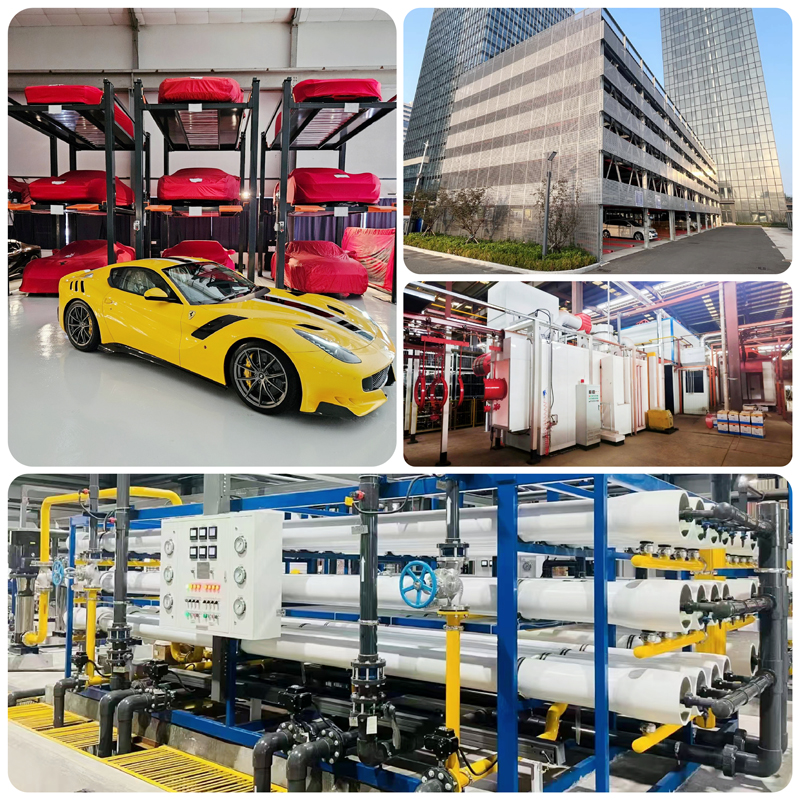
Qingdao Cherish is an integrated industry and trade enterprise dedicated to the design, manufacture, and global supply of intelligent parking equipment and industrial processing solutions. With robust engineering capabilities, modern manufacturing infrastructure, and extensive international project experience, we deliver reliable systems that support modern urban planning and industrial development worldwide.
Founded by a collaborative team of experienced mechanical engineers and international logistics experts, the company was established with a singular mission: to provide highly efficient, durable, and sustainable equipment solutions through constant innovation, precision manufacturing, and client-focused consultation. From initial blueprint design and mechanical verification to production, shipping, and after-sales support, we guarantee strict quality standards throughout every phase of the project lifecycle.
Our operation is segmented into two highly specialized divisions to supply focused technical expertise and optimized systems to global industries.
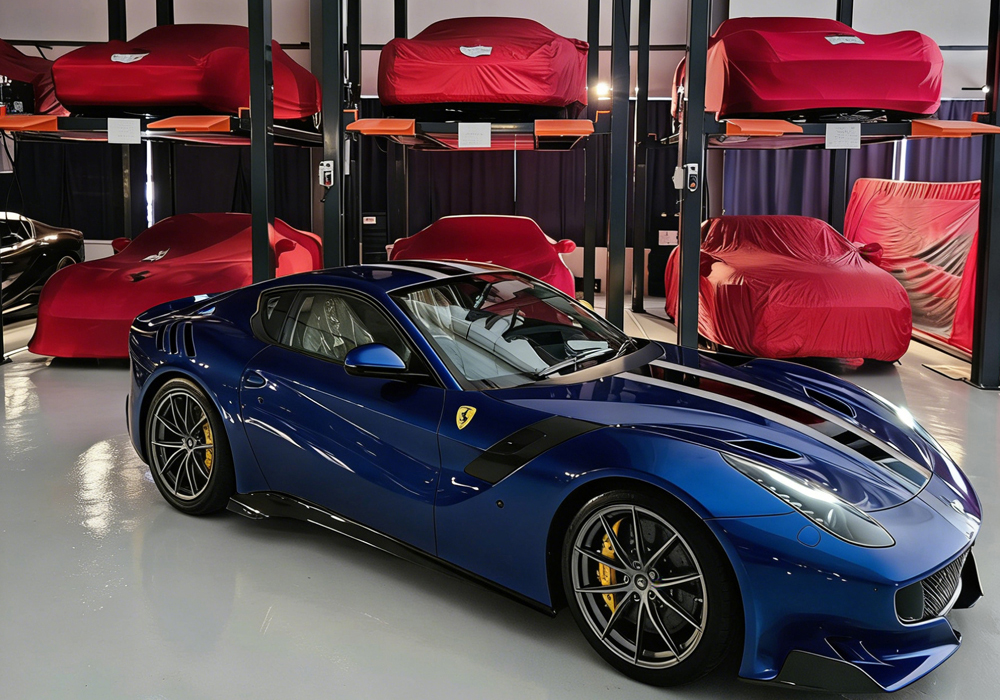
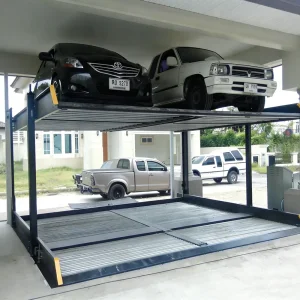
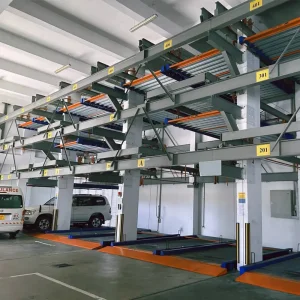
Focuses on the engineering and production of car parking lifts, automated puzzle parking systems, multi-tier car stackers, and bespoke structural parking platforms. Designed to solve urban spatial density challenges, our systems are widely implemented across residential complexes, commercial developments, municipal facilities, and automotive retail hubs. Through continuous structural innovation, finite element analysis (FEA), and stringent mechanical testing, we ensure reliable operations tailored to local building safety codes.
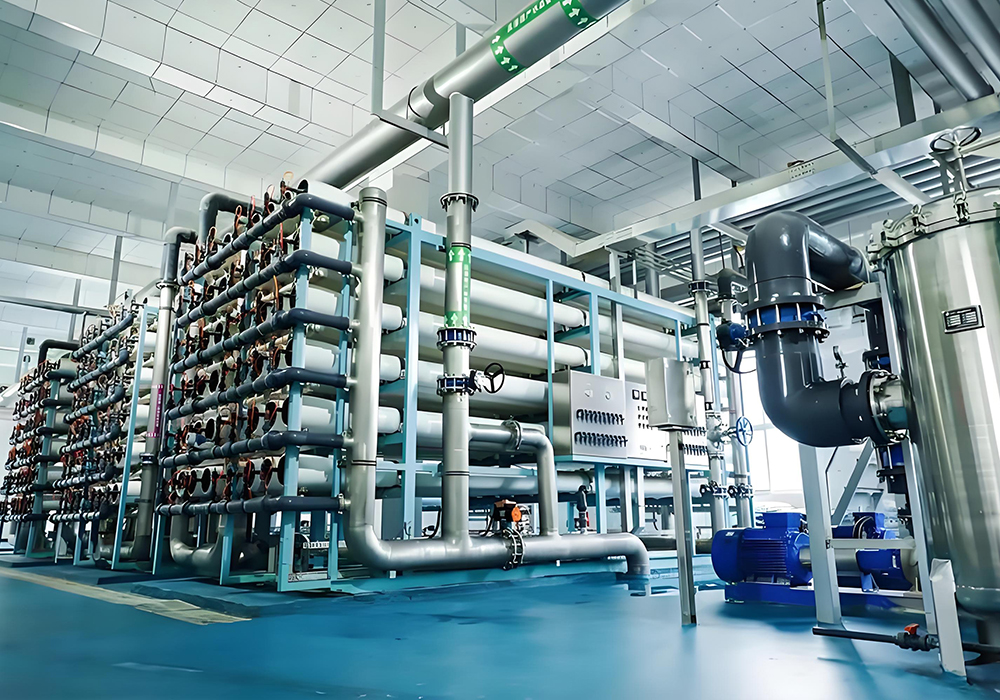
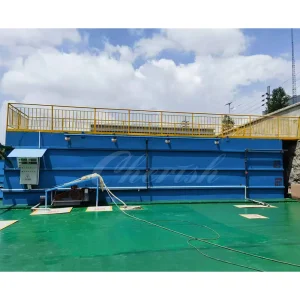
Provides advanced automatic powder coating lines and municipal/industrial wastewater treatment plants. These systems are engineered to improve finishing quality and environmental compliance. By integrating robotic automation with heavy-duty structural design, we assist clients in minimizing operational overhead while adhering to strict environmental wastewater discharge regulations.
Detailed analysis of our leading mechanical and hydraulic car stacker product lines, showcasing structural capabilities, safety margins, and installation prerequisites.
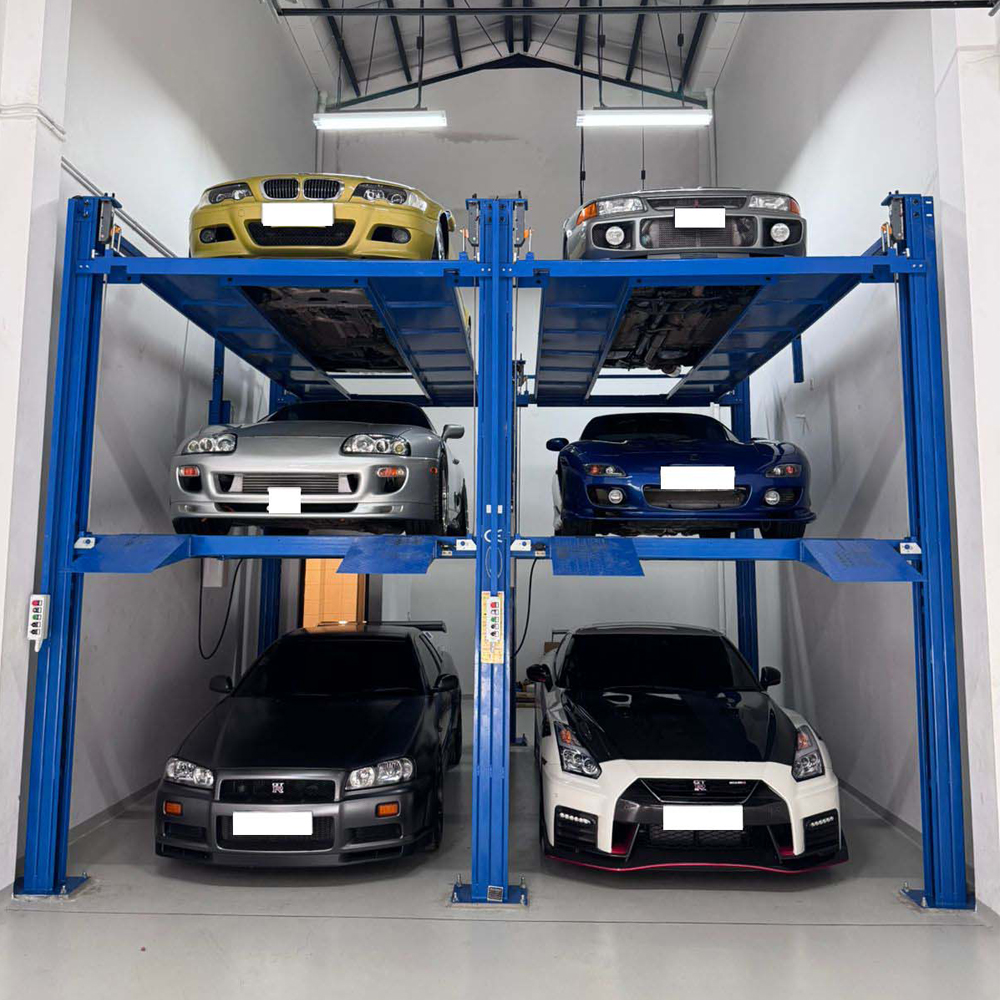
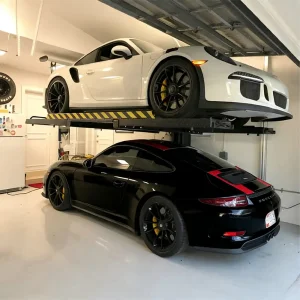
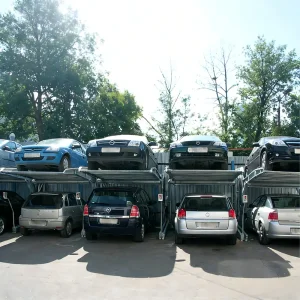
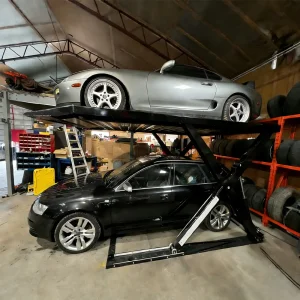
The Triple-Level Parking Lift is a paradigm shift in urban density optimization. Engineered for both standard sedans and high-roof SUVs, it utilizes a heavy-duty four-post frame to hoist two vehicles vertically while leaving the ground level free. This unit is widely deployed in commercial depots, automotive logistics yards, and luxury estates.
| Specification | Detail / Metric |
|---|---|
| Lifting Capacity | Up to 3,000 kg per platform |
| Structural Material | Q355B Structural Steel (Laser Cut) |
| Safety Systems | Electro-magnetic lock release & anti-fall drop rods |
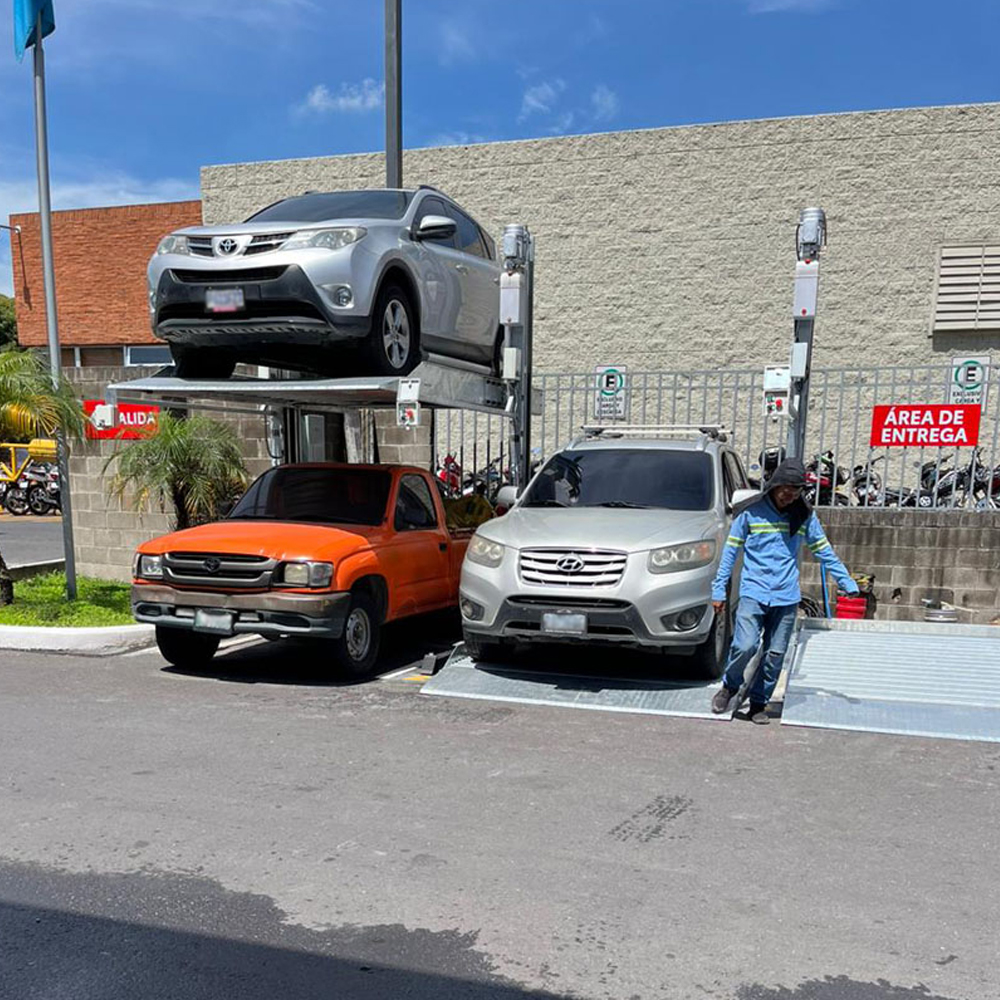
Offering flexible capacities of 2,300 kg or 2,700 kg, our two-post system is the global standard for space conservation in low-to-medium clearance garages. The hydraulic synchronous cylinders provide stable lift operations up to 2,100mm, allowing for seamless under-car clearance.
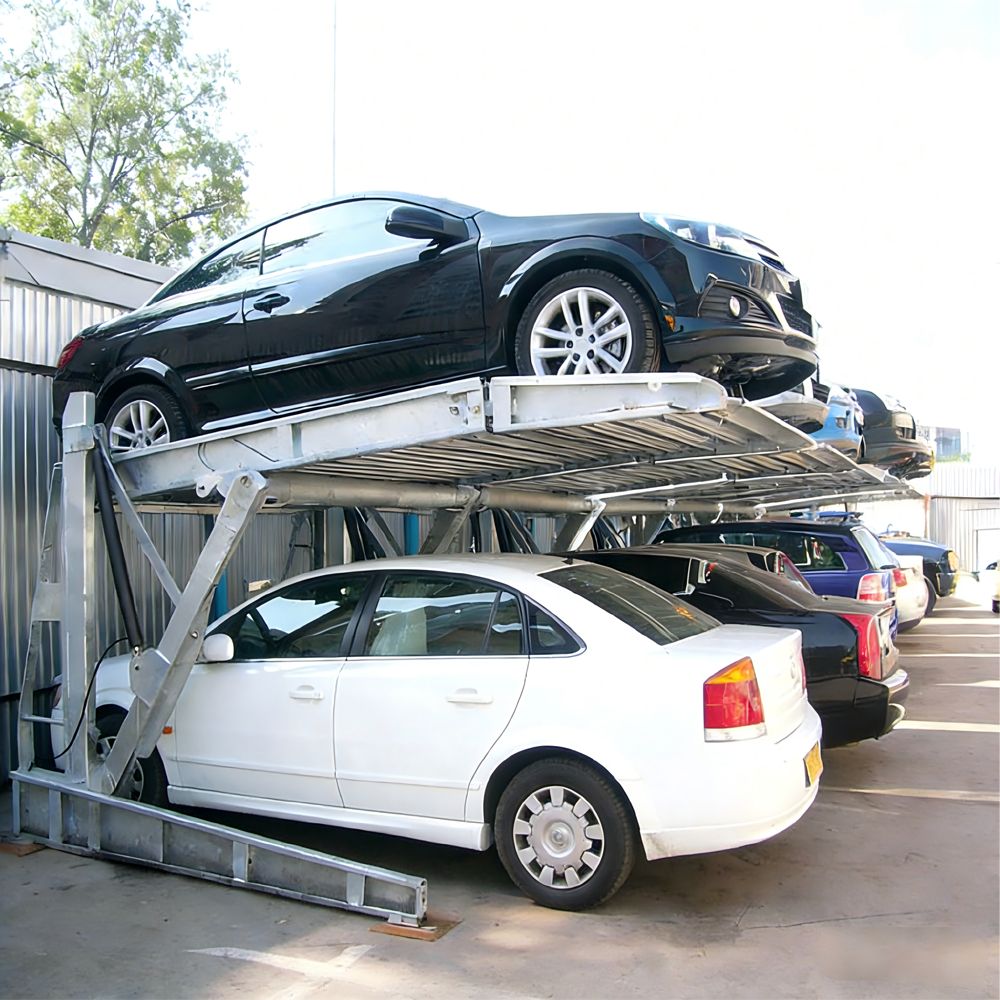
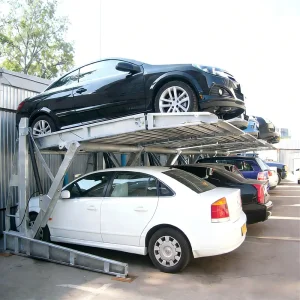
For low-ceiling residential garages and subterranean basements, standard lifts are mechanically restricted. Our Tilting Parking Lift features an adjustable lifting height range of 1,400mm to 1,800mm with an angular platform tilt (typically 10° to 16°), enabling SUVs or sedans to be parked in tight horizontal clearances.
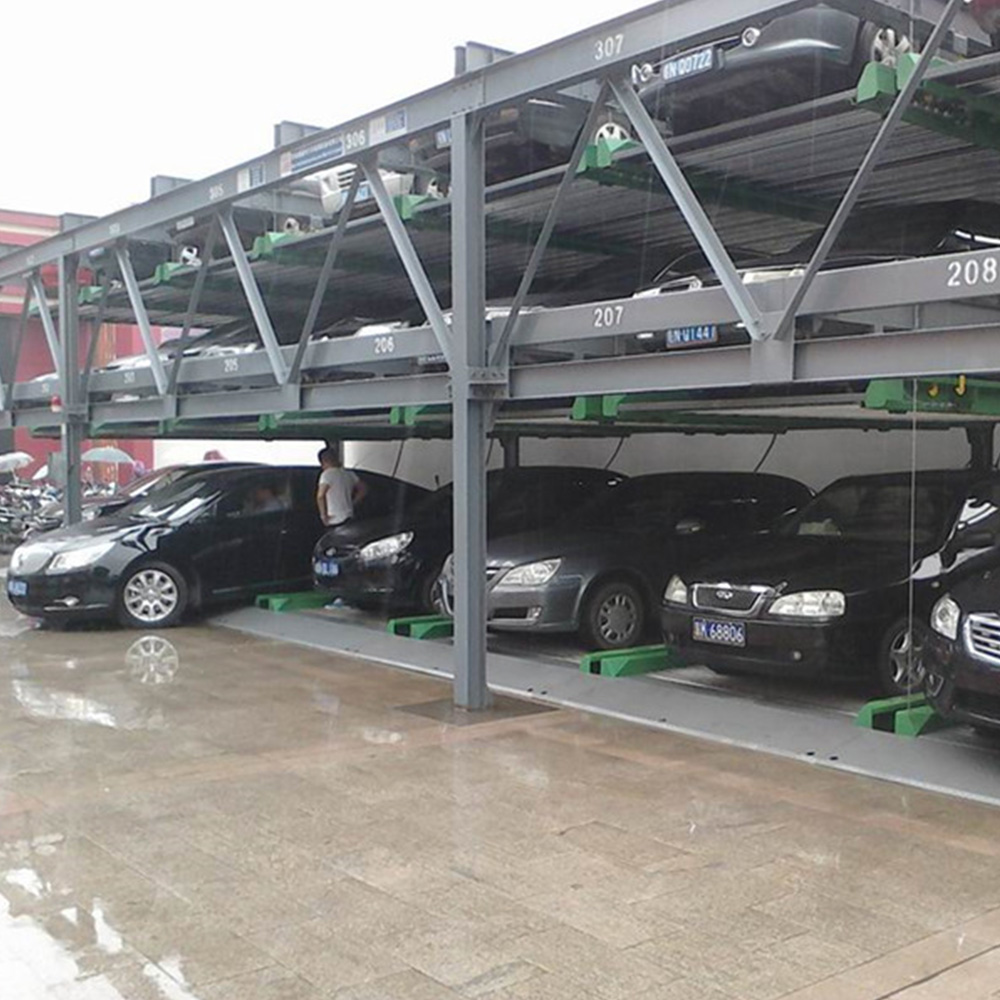
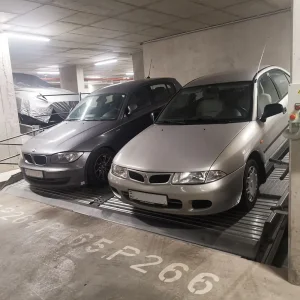
The Puzzle Parking System utilizes a combination of matrix sliding pallets and vertical lifts to create an automated park-and-retrieve grid. Unlike heavy fully-automated silo systems, the puzzle system represents a modular, cost-effective spatial layout that can scale dynamically based on site geometry.
The transition from mechanical steel structures to IoT-integrated urban mobility nodes is redefining smart-city real estate footprint requirements.
As electric vehicles (EVs) and autonomous driving protocols become standard globally, the mechanical parking sector is undergoing a rapid evolution. At Qingdao Cherish, our engineering lab is actively testing three major technical trajectories:
Integrating flexible power track busbars onto moving car stacker platforms, enabling EV charging capabilities while vehicles are stacked vertically. This solves the spatial challenges of static chargers.
Deploying vibration sensors and load cells connected to cloud-based diagnostic dashboards. This allows property managers to detect motor deterioration or chain tension deviations prior to system downtime.
Designing API control layers that interface with vehicle-to-everything (V2X) wireless communications. Future autonomous vehicles will locate, reserve, and enter our puzzle parking grids without human intervention.
Why domestic production efficiency coupled with strict European quality compliance yields unrivaled cost-to-performance ratios for developers.
The production of safe mechanical car stackers is heavily dependent on raw material quality and structural processing precision. Located within Qingdao's industrial shipping hub, our manufacturing facility leverages direct integration with top-tier domestic steel mills to secure high-tensile Q355B structural steel at scale.
Retaining our industrial heritage in powder coating plants and sustainable environmental water systems to support broader infrastructure needs.
Modern electrostatic powder coating represents one of the most efficient finishing technologies available today. A primary advantage is the minimal emissions of volatile organic compounds (VOCs). Compared to traditional wet liquid paints, powder coatings form thick, uniform, and highly resilient protective layers without risks of dripping, sagging, or pinholes.
Furthermore, oversprayed powder is reclaimed and fed back into the fluid bed, resulting in material utilization approaching 100%. This significantly reduces hazardous chemical waste while reducing capital expenditure and raw material overhead.
With expanding global urbanization and strict environmental mandates, wastewater recycling systems are vital infrastructure assets. Our systems provide solutions for domestic sewage processing, factory wastewater treatment, and zero-liquid-discharge (ZLD) configurations.
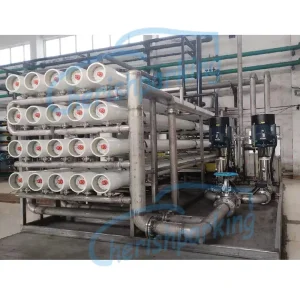
For remote coastal developments or high-saline operations, we build modular reverse osmosis (RO) seawater desalination units that convert raw brackish water into high-purity industrial or potable water, securing essential resources for commercial operations globally.
A guide for architectural planners, main contractors, and commercial developers assessing heavy mechanical stacker investments.
| Procurement Stage | Core Evaluation Criterion | Strategic Action Required |
|---|---|---|
| 1. Compliance Verification | CE Mark Certification via EN 14010 Directives. | Request declaration documents showing compliance under European standards for mechanical parking platforms. |
| 2. Site Soil & Foundation | Concrete depth and concrete structural class rating. | Verify anchor concrete meets minimum class C20/25 with at least 150mm depth to safely handle dynamic shear stresses. |
| 3. Corrosion Resistance | Surface finish according to localized climate zones. | Specify standard powder coat for indoor applications, or hot-dip galvanization for coastal/outdoor environments. |
| 4. Logistics & Installation | Component packing sizes and weight profiles. | Ensure factory packages match standard ocean container dimensions to prevent demurrage and streamline field assembly. |
Essential design, engineering, and maintenance queries answered by our structural engineering and safety compliance team.
To satisfy standard CE regulations (EN 14010), a stacker must include: mechanical anti-fall safety locks that automatically lock as the platform rises, photoelectric obstruction detection, emergency stop buttons, double hydraulic cylinder redundancy, and relief valves to prevent high-pressure system failure.
Yes. However, the system must be customized with hot-dip galvanization to resist salt and moisture corrosion. The hydraulic power pack must also use low-temperature hydraulic fluid (ISO VG 15/22) to prevent viscosity issues during freezing temperatures.
We require flat, reinforced concrete with a minimum thickness of 150mm and a structural rating of C20/25 (minimum load-bearing capacity of 3000 PSI). Anchors must be drilled away from expansion joints and cracks to guarantee column stability.
By tilting the vehicle platform at a specific angle (usually between 10 to 16 degrees), the stacker lowers the height requirement of the rear of the vehicle. This enables dual-vehicle parking in spaces with ceiling heights as low as 2.8 meters.
Yes, our puzzle parking platforms can be custom-reinforced. Standard platforms support up to 2,000 kg, but we offer heavy-duty configurations rated for 2,500 kg to 3,000 kg to accommodate heavy electric vehicle battery packs.
We recommend quarterly inspections of the mechanical safety locks, cylinder seals, and limit switch functionality. Wire ropes/lifting chains should be lubricated every six months, and hydraulic fluid must be flushed and replaced every 2 to 3 years.
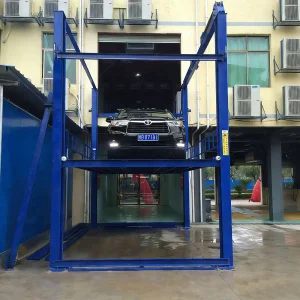
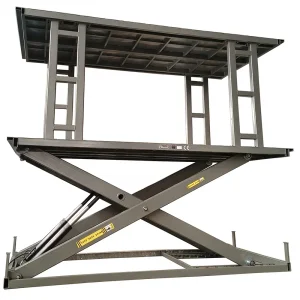
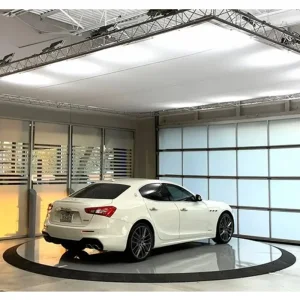
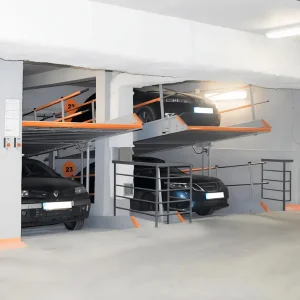
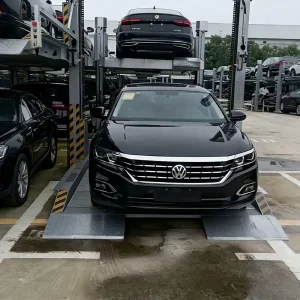
Discover our heavy-duty industrial car elevators and subterranean double-deck parking systems engineered for seamless vehicular transfer and hidden urban storage.
 Cherish