

In modern industrial manufacturing, metal panel sheet processing represents the backbone of structural architectures, from high-performance automotive chassis and heavy-duty machinery to high-end architectural facade cladding. The finishing process applied to these substrates is not merely cosmetic; it is a vital engineering phase that determines corrosion resistance, mechanical longevity, and overall structural performance. Over the past decade, the global manufacturing sector has transitioned rapidly from traditional wet-solvent spraying methods to advanced electrostatic powder coating lines.
This technological paradigm shift is primarily propelled by three structural catalysts: environmental regulatory mandates (specifically regarding VOC emission limits), strict performance requirements for durability under extreme service conditions, and the automation requirements of Industry 4.0. The integration of CE-certified metal panel sheet powder coating lines has become the modern benchmark for factories aiming to access high-value commercial and industrial supply chains.
For European and global procurement managers, the CE Certification mark is a legal prerequisite for import, installation, and operation. In the context of industrial processing machinery, such as pre-treatment washers, electrostatic powder spray booths, and high-temperature curing ovens, compliance involves complex directives. It is not just a stamp; it is a testament to rigorous engineering that satisfies safety, health, and environmental protection standards.
Our CE-certified metal panel sheet powder coating lines are designed and built in compliance with the European Machinery Directive (2006/42/EC), Low Voltage Directive (2014/35/EU), and Electromagnetic Compatibility (EMC) Directive (2014/30/EU). This ensures that key components like electrical cabinets, gas-fired curing burners, automated conveyor tracks, and high-pressure washing sprayers adhere to global hazard prevention and functional safety standards.
Multi-stage spray and immersion washing booths ensure total removal of oxides and oils, ensuring optimal adhesion for subsequent powder application.
Advanced corona and tribo spray technology prevents Faraday cage effects on complex metal geometries, ensuring uniform coating thickness.
Engineered with indirect heating systems and waste-heat recovery loops to achieve consistent temperature profiles while minimizing fuel consumption.
Qingdao Cherish, operating as an integrated industry and trade enterprise, has optimized its facilities to align with Factory 4.0 standards. In an era marked by geopolitical shifts and logistics challenges, procurement managers value supply chain resilience above all. Our factory in Qingdao leverage advanced production planning, raw material sourcing security, and automated steel fabrication technologies (including high-precision laser cutters and CNC press brakes) to ensure consistent quality and lead times.
This localized synergy allows us to engineer industrial powder coating booths and wash pre-treatment structures that are highly resistant to structural wear. Through robust process documentation and computerized testing procedures, our equipment offers durability while maintaining a competitive total cost of ownership (TCO).
Qingdao Cherish delivers specialized industrial systems and automated equipment designed to optimize production throughput and spatial utilization. From concept planning to global commissioning, we support your plant modernization goals.
Become an Engineering PartnerUnderstanding regional constraints and local requirements is crucial when deploying large-scale metal panel sheet processing equipment. Different industries require customized solutions to optimize throughput and comply with local environmental standards:
An objective analysis of operational expenses reveals why high-output factories invest in automated powder coating systems. Wet-solvent systems require high energy input for air makeup units, generate complex volatile organic compound (VOC) waste streams, and suffer paint loss via overspray. In contrast, electrostatic powder application runs virtually VOC-free. Overspray is recovered by high-efficiency cartridge filter systems and reused, significantly lowering raw material waste and operational costs.
Qingdao Cherish maintains two specialized manufacturing and engineering divisions to provide high performance across key sectors:
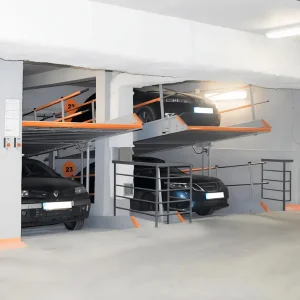
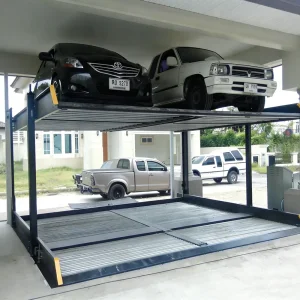
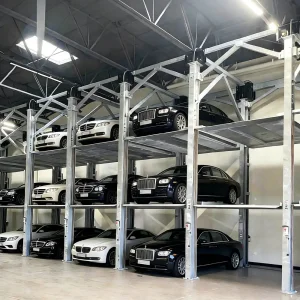
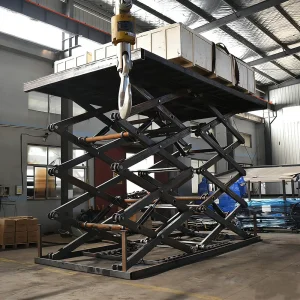
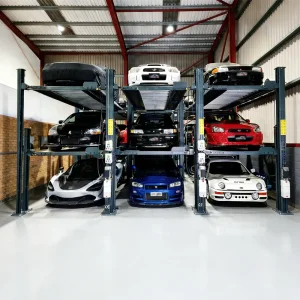
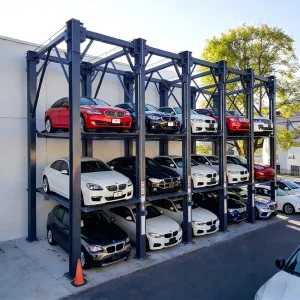
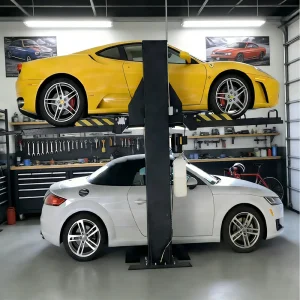
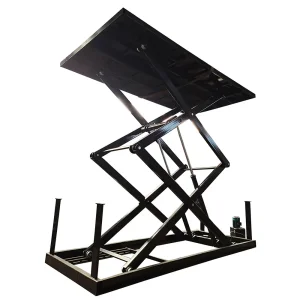
Parking Systems Division: Custom mechanical space-saving systems, scissor lifts, double-level parking systems, and heavy-duty triple/quad car stackers designed for commercial and residential integration.
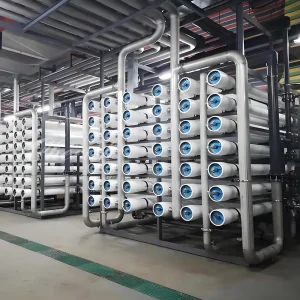
Industrial Equipment Division: CE-certified electrostatic powder coating systems, curing ovens, pre-treatment washing channels, and wastewater purification infrastructure designed for modern industrial applications.
Investing in a custom coating line requires an understanding of the mechanical stages that govern processing speed, quality control, and energy footprint. A standard high-capacity configuration integrates several modular systems:
1. Multistage Chemical Pretreatment Wash System: The surface must be chemically clean. Depending on the substrate (steel, galvanized iron, or aluminum), this system involves acid degreasing, clean water rinses, surface activation, and chemical conversion coatings (e.g., iron-phosphate or chrome-free passivation). This establishes the basis for corrosion resistance (measured by ASTM salt-spray performance).
2. Drying and Dehydration Oven: After pre-treatment wash cycles, the metal parts pass through a direct or indirect gas/oil-fired dryer to remove surface moisture, preventing pinholes and structural gas bubbles during the subsequent powder curing phase.
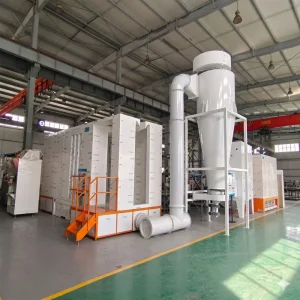
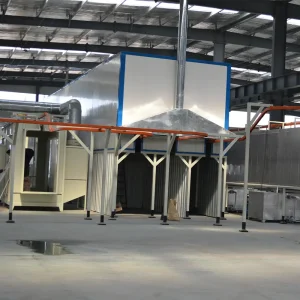
3. Electrostatic Powder Spray Booth: Equipped with automated reciprocating arms holding electrostatic spray guns. Inside the booth, powder particles are charged electrostatically, drawing them to the grounded metal sheets. High-tech booths feature clean walls and multi-cyclone reclaimers that recover up to 99% of oversprayed powder, redirecting it to the fluidizing hopper for reuse.
4. High-Temperature Polymerization Curing Oven: Thermosetting powders require precise curing profiles, typically 10 to 20 minutes at 180°C to 200°C. Our ovens are designed to limit thermal variation across the baking chamber to within ±3°C, ensuring uniform curing, proper polymer cross-linking, and high chemical resistance.
 Cherish