Explore our CE-certified line of high-capacity pit lifts, mechanical stackers, and heavy-duty car elevators designed to optimize limited space.
Exploring the structural necessity, space optimization drivers, and economic dynamics of modern underground vehicle lifts.
The relentless acceleration of global urbanization, combined with rising land valuations in metropolitan hubs, has driven engineers and architects to seek vertical answers to parking challenges. Traditionally, real estate development addressed vehicle storage by allocating significant surface footprint to parking lots or erecting massive above-ground parking towers. However, modern architectural philosophies favor pedestrian-friendly zones, green areas, and compact structures. To resolve these opposing needs, underground spatial utilization has emerged as the premier design frontier. Among the technologies leading this movement is the Underground Car Parking Lift.
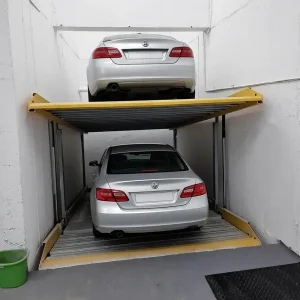
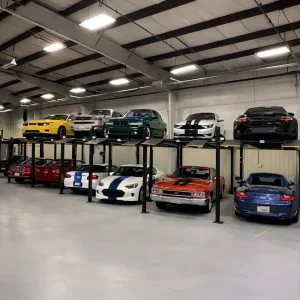
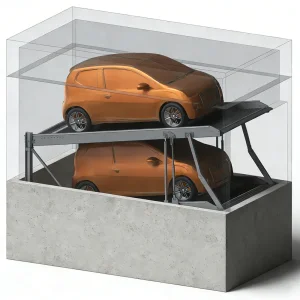
At its core, an underground car parking lift is a pit-mounted electro-hydraulic or motor-driven mechanical elevator designed to lower a vehicle below ground level, leaving the surface clear for other uses. In double-deck variations, the top platform aligns flush with the surrounding pavement, serving as a functional driveway or lawn when fully lowered, while the second vehicle remains securely stored out of sight below. This configuration doubles the available parking capacity without changing the property's exterior design.
For high-end residential villas, premium commercial complexes, automotive dealerships, and municipal developments, subterranean lifts offer a blend of functional space savings and property security. By storing vehicles underground, owners protect expensive automobiles from environmental hazards, vandalism, and theft. From an architectural perspective, eliminating surface parking preserves the structural lines of luxury homes and commercial structures, enhancing overall property value.
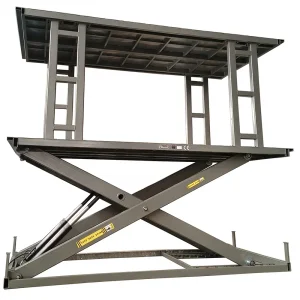
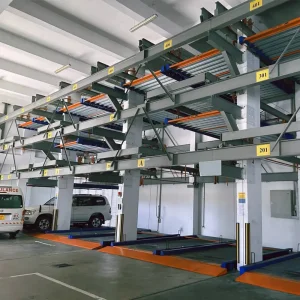
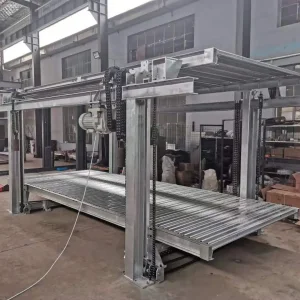
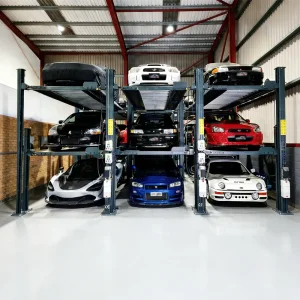
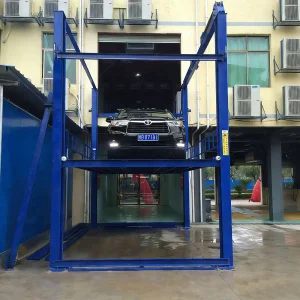
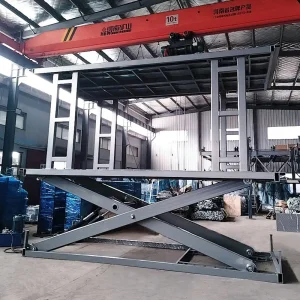
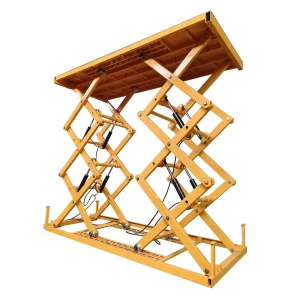
Subterranean systems generally rely on two core structural mechanisms: invisible hydraulic scissor lifts and four-post pit lifts. Scissor mechanisms are ideal for deep single-point vertical lifting without the need for tall vertical guide columns, maintaining a clean aesthetic. Four-post systems offer high load stability and are suited for multi-tier applications (2, 3, or even 4 levels) where heavy SUVs and sedans must be stacked in a single concrete shaft.
Analyzing RFP priorities, load specifications, and system customization for commercial buyers.
B2B procurement agents, general contractors, and structural engineers face distinct requirements when specifying vehicle storage systems. When issuing Requests for Proposal (RFPs) for large-scale projects, procurement teams evaluate systems based on long-term lifecycle costs, structural reliability, safety redundancies, and compliance certifications. Key decision parameters include:
Lifts must be fabricated with structural steel (typically Q355B or higher) to withstand heavy load profiles and dynamic stresses during operation. Double-welded joints and reinforced platform beams prevent structural flexing over time.
Premium systems employ dual-cylinder architectures equipped with safety valves, parachute valves, and pressure-limiting blocks. These systems prevent rapid descent in the event of hydraulic pressure loss.
Given the damp environment of subterranean concrete pits, corrosion control is critical. Systems require sandblasting pretreatment followed by hot-dip galvanizing or electrostatic powder coating to prevent rust.
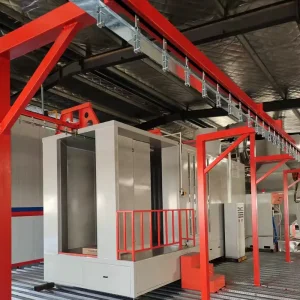
To meet these procurement requirements, Qingdao Cherish integrates its specialized divisions. The Parking Systems Division focuses on developing mechanical parking platforms, automatic puzzle systems, and bespoke underground lifts. Operating alongside this is the Industrial Equipment Division, which designs advanced powder coating lines. This integration allows the company to apply high-grade coatings to its own parking products. This in-house control ensures that each steel component is protected against the moisture typical of underground installations.
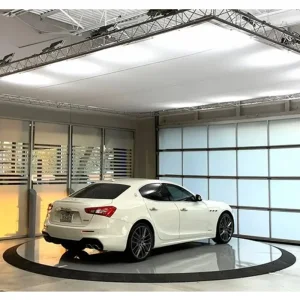
Different projects present distinct layout and structural constraints. Below are the primary configurations utilized to optimize space in various settings:
Connect with our expert engineering team to discuss pit dimensions, load requirements, and site configurations.
Become a Partner TodayUnderstanding international safety standards and engineering criteria for underground lift systems.
Safety and compliance are critical when selecting vertical lifting equipment. Underground car lifts operate in close proximity to operators, passengers, and valuable property, making strict adherence to international safety standards essential.
In the European Economic Area (EEA) and global markets that recognize European standards, CE Certification is a mandatory requirement. Lifts must comply with the Machinery Directive 2006/42/EC and the specific standard EN 14010 (Safety of machinery - Equipment for power-driven parking of motor vehicles). This standard covers safety requirements for design, manufacture, installation, and commissioning.
At Qingdao Cherish, our manufacturing processes follow these regulations. Every component, from high-pressure hydraulic cylinders to PLC controllers (such as Siemens or Omron), undergoes testing before shipping. Safety features include mechanical locking devices, photoelectric sensors that detect vehicle placement, emergency stop buttons, and limit switches that prevent over-travel.
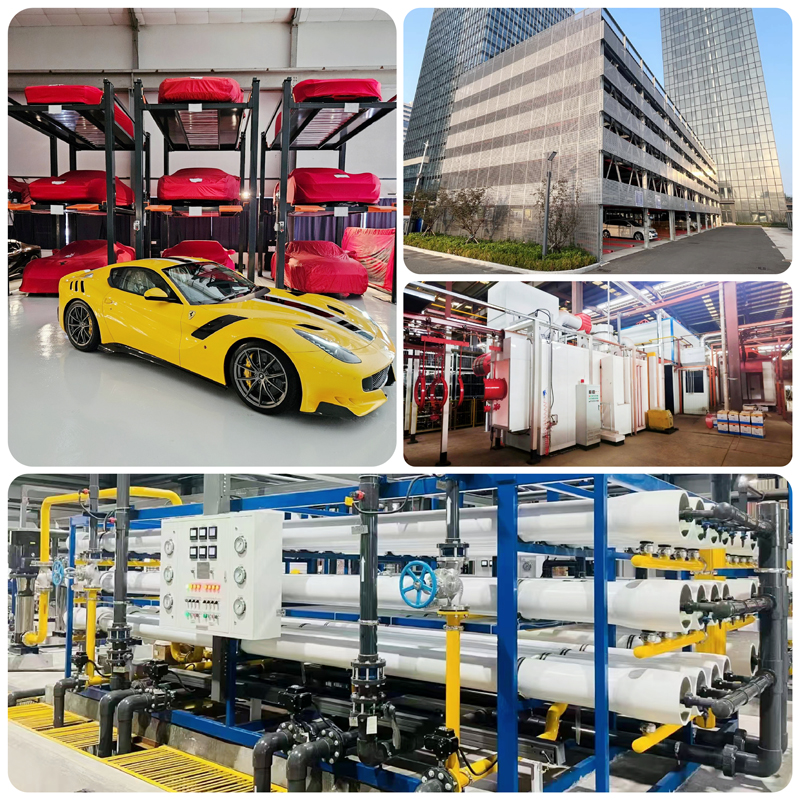
Installing vehicle lifts in concrete pits introduces unique water management challenges. Rainwater runoff, car wash drainage, and groundwater seepage can gather at the base of the pit, potentially causing component corrosion or electrical damage.
To address this, modern engineering designs incorporate industrial wastewater and sewage treatment equipment. Integrating proper filtration and oil-water separation systems prevents chemicals, oils, and sediment from contaminating local stormwater networks, ensuring the facility meets municipal environmental standards.

Smart integration, IoT diagnostics, and the transition toward green energy infrastructure.
The underground parking lift sector is transitioning from stand-alone mechanical installations to smart, connected components of urban infrastructure. Key engineering developments shaping the industry include:
Modern lift installations are increasingly equipped with IoT-connected sensors that monitor hydraulic pressure, operational cycles, and motor temperatures. This real-time data allows operators to perform predictive maintenance, minimizing system downtime.
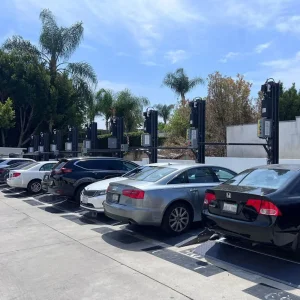
With the growth of electric vehicle adoption, integrating charging ports into lifting platforms is becoming a common requirement. Cable management systems must be designed to bend and extend safely during operation without tangling or wearing.
To reduce the environmental footprint of hydraulic systems, manufacturers are adopting biodegradable hydraulic fluids. In the event of a minor seal leak, these fluids pose no threat to local soil or groundwater resources.
As smart cities evolve, underground parking lifts are also being designed to integrate with Automated Valet Parking (AVP) systems. Future models will communicate directly with autonomous vehicles, enabling them to drive onto platforms, signal the lift to lower, and park without human intervention.
Detailed answers to technical, installation, and procurement questions from structural engineers and project buyers.
Discover our specialized line of powder coating systems, home lifts, freight elevators, and heavy cargo transfer systems.
 Cherish