Pre-configured modular treatment setups customized for Moscow's cold-climate regulations and industrial effluents.
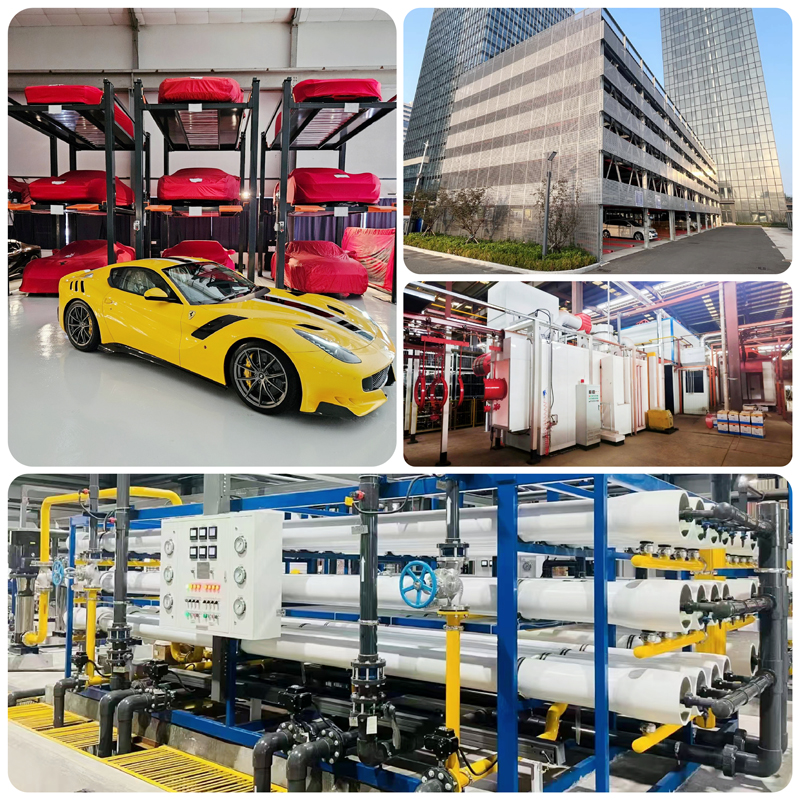
Qingdao Cherish is an integrated industry and trade enterprise dedicated to the design, manufacture, and global supply of intelligent parking equipment and industrial processing solutions. With strong engineering capabilities, modern manufacturing resources, and extensive international project experience, we deliver reliable systems that support modern urban infrastructure and industrial development worldwide.
Founded by a team of experienced engineers and international business professionals, the company was established with a clear mission: to provide efficient, durable, and sustainable equipment solutions through continuous innovation, precision manufacturing, and customer-focused service. From initial concept design and technical planning to production, delivery, and after-sales support, we ensure consistent quality and dependable performance throughout every project lifecycle.
Analyzing local challenges, ecological standards, cold-weather biological processes, and the optimization of wastewater recycling plants in the Russian Federation.
As the economic powerhouse of the Russian Federation, the Moscow metropolitan area—comprising Moscow city and the surrounding Moscow Oblast—demands highly sophisticated environmental infrastructure. Industrial expansion, combined with the municipal pressure of a population exceeding 20 million, calls for robust wastewater processing. The regional environmental agency, Rospotrebnadzor, alongside municipal operators like Mosvodokanal, has enacted stringent water purity directives. Any industrial discharge or domestic return must meet rigorous chemical oxygen demand (COD), biological oxygen demand (BOD), and total suspended solids (TSS) levels before returning to local river basins.
One of the defining challenges of deploying sewage treatment plants (STPs) in Moscow is the extreme temperature range. In the winter months, temperatures routinely drop below -20°C. Standard open-air biological reactors suffer from reduced microbial activity as biochemical reaction rates decay exponentially when water temperatures slip below 8°C.
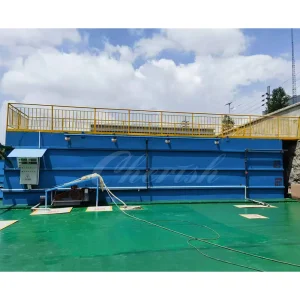
To maintain Nitrification-Denitrification kinetics, our factories supply containerized sewage treatment units fortified with high-density polyurethane insulation panels (50mm–100mm thickness) paired with automatic electric heat tracing. This ensures that the mixed liquor suspended solids (MLSS) within the membrane bioreactor (MBR) or moving bed biofilm reactor (MBBR) remain at optimal operating temperatures (12°C to 22°C), safeguarding uninterrupted microbial breakdown of contaminants.
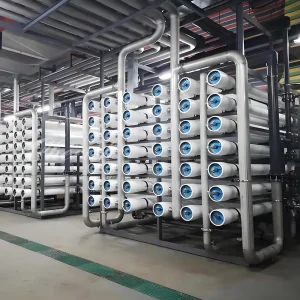
Conventional activated sludge systems are often too space-intensive and vulnerable to sludge bulking under varying industrial load inputs. Our engineering team prioritizes Membrane Bioreactors (MBR) and Reverse Osmosis (RO) systems. MBR acts as a highly efficient primary biological treatment, producing effluent with near-zero turbidity.
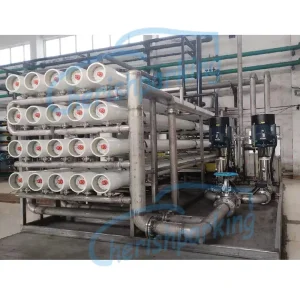
For plants seeking zero liquid discharge (ZLD) or high-grade process water recycling for manufacturing, the effluent is further directed through RO systems. This dual-stage treatment ensures the removal of dissolved inorganic compounds, heavy metals, and persistent organics, aligning with the strict Federal Agency for Water Resources regulations.
Today, our business operates through two specialized divisions to better serve diverse market needs and provide focused expertise across different industries.
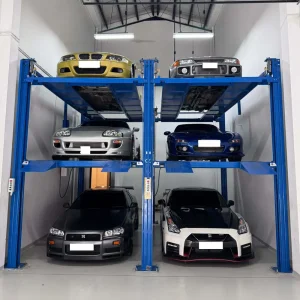
Our Parking Systems Division focuses on the development and production of car parking lifts, automated parking systems, car stackers, and customized parking solutions. Designed to maximize space utilization and operational efficiency, our systems are widely applied in residential buildings, commercial facilities, hospitals, and urban developments. Through continuous engineering innovation and strict quality control, we deliver safe, reliable, and space-saving parking solutions tailored to global project requirements.
Our Industrial Equipment Division provides advanced powder coating lines and sewage treatment plant solutions for industrial applications. These systems are engineered to improve production efficiency, surface finishing quality, and environmental sustainability. By integrating automation technology with durable system design, we help clients optimize manufacturing processes while meeting modern environmental standards and regulatory requirements.
Industrial buyers sourcing sewage treatment plants for Russian enterprises require rigorous quality checks. Systems must comply with the TR CU (Technical Regulations of the Customs Union) certifications, specifically TR CU 010/2011 (Safety of Machinery and Equipment) and TR CU 004/2011 (Safety of Low Voltage Equipment).
Qingdao Cherish handles all regulatory preparation, ensuring that the electrical control panels (PLC), structural steel, pressure vessels, and membranes meet GOST specifications. By preparing extensive localized documentation (technical passports and operation manuals in Russian), we reduce customs processing times at regional borders, guaranteeing a swift commissioning schedule.
Modern wastewater plants must minimize manual intervention. Our technical roadmap incorporates industrial IoT (IIoT) modules directly connected to centralized SCADA systems. Through arrayed sensor suites, variables such as dissolved oxygen (DO), oxidation-reduction potential (ORP), pH, turbidity, and trans-membrane pressure (TMP) are constantly measured.
In the event of filter clogging or microbial imbalance, the automated dosing pumps adjust flocculant and carbon sources dynamically. This minimizes chemical waste, reduces energy consumption, and extends membrane lifespans, cutting overall operational expenses (OPEX) by up to 22% compared to standard configurations.
Expert answers regarding installation, certification, operation, and maintenance of Sewage Treatment Plants in the Moscow Area.
Low temperatures decrease the metabolic rates of nitrifying bacteria. To counter this, our containerized plants are outfitted with thermal insulation panels and thermostat-controlled electrical heating rods. This ensures that the water within the reactor is kept above the threshold required for efficient organic removal and nitrification.
Equipment must adhere to the Eurasian Economic Union TR CU declarations (specifically TR CU 010 and TR CU 004). Sanitary epidemiological safety assessments may also be needed to certify the purity of processed wastewater before release into municipal conduits or public waterways.
Yes. Through a multi-stage process involving primary physical screening, chemical coagulation, biological digestion (MBR), and final polishing (RO), our systems can handle mixed effluent, removing both solid debris, dissolved chemical impurities, and oils.
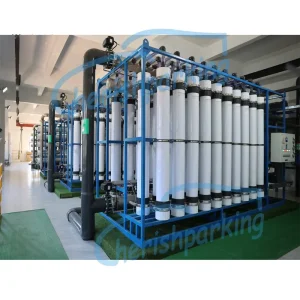
Under regular operating conditions and consistent maintenance, our reinforced PVDF hollow fiber membranes have a service life of 5 to 8 years. Automated backwashing and chemical clean-in-place (CIP) cycles are configured within our PLCs to maximize lifespan.
We handle maritime shipping to key regional hubs (e.g., St. Petersburg or Vladivostok) followed by rail/truck freight directly to the installation site in Moscow. Our logistics division provides full customs clearance documentation, certificates of origin, and compliance paperwork.
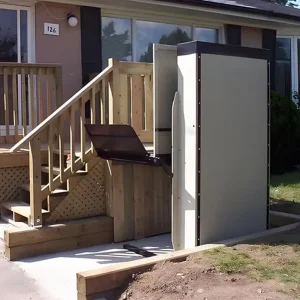
Complementary technologies designed to streamline space allocation, urban parking congestion, and automated facilities management across commercial projects.



Discuss your municipal, industrial, or urban site layout with our technical engineers. Receive structural drawings, process flowcharts, and local regulatory guidance.
 Cherish