Engineered to bypass local zoning height restrictions, maximize parcel capacity, and integrate seamlessly into California basements.
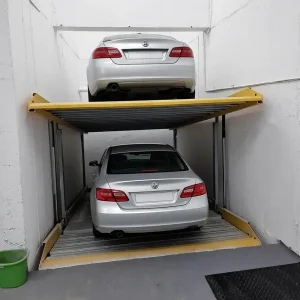
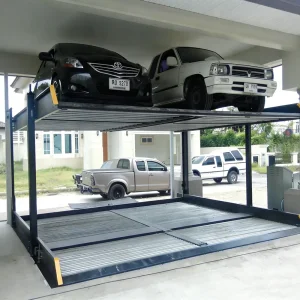
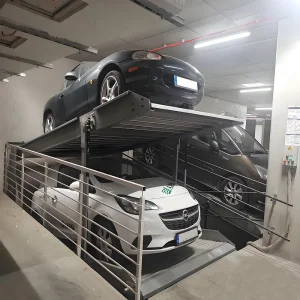
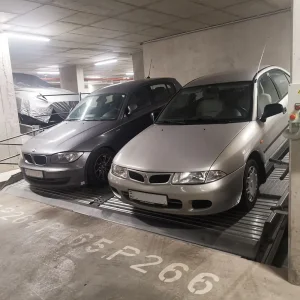
As Los Angeles struggles with rising land values, high density transit development requirements (such as the Transit Oriented Communities guidelines), and strict local building regulations, standard horizontal parking space allocations are no longer economically viable. Multi-family residential developers, commercial builders, and custom home architects in areas such as Santa Monica, Beverly Hills, Downtown LA, and West Hollywood are turning to mechanical underground parking systems to double or triple parking space density.
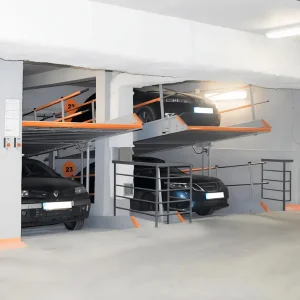
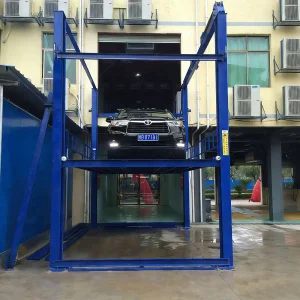
Unlike standard surface lifts, Pit Parking Systems (also known as subterranean stackers) allow cars to be parked underground and retrieved independently. This means the lower vehicle can be raised without having to move the upper vehicle, providing an uninterrupted user experience essential for premium commercial and residential properties in Los Angeles.
Under the Southern California Association of Governments (SCAG) regional housing needs assessments, LA developers must maximize residential unit counts on smaller footprints. Conventional concrete parking structures require costly excavation, structural framing, and ramp footprint loss. A custom mechanical pit parking system, however, utilizes vertical space below grade that would otherwise be lost to crawl spaces or structural foundations.
By engineering a concrete-walled pit, developers can stack two or three cars vertically within a single traditional parking space footprint. The top platform aligns perfectly with the driveway grade, preserving property aesthetics and visual lines—a critical factor for luxury properties subject to strict Beverly Hills and Malibu design review committees.
Los Angeles is situated in one of the most active seismic zones globally. Any mechanical lift installed must conform to the Los Angeles Department of Building and Safety (LADBS) building codes, ASCE 7 structural dynamics, and California Title 24 electrical compliance. Our engineering teams prioritize seismic anchoring, utilizing heavy-duty H-beam columns, dual mechanical locking locks, and high-strength anchor bolts designed to withstand lateral acceleration loads typical of Seismic Design Category D, E, and F.
Deciding between hydraulic actuation and electric motor-driven systems is critical for matching the specific application requirements of a Los Angeles site:
Hydraulic Systems: Excellent for residential and high-end residential applications due to their quiet operation, smooth vertical transitions, and lower maintenance profile. Using eco-friendly fluid configurations reduces the risk of subterranean soil contamination. Our hydraulic valves are engineered with emergency flow limiters to prevent rapid descents.
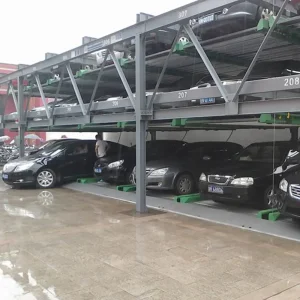
Motor-Driven Puzzle Systems: Optimized for commercial hubs, retail properties, and large multi-family units where fast retrieval cycles and multi-level puzzle routing are required. Using variable frequency drives (VFD), motor-driven systems offer rapid acceleration and high energy efficiency for multi-tier applications.
Qingdao Cherish is an integrated industry and trade enterprise dedicated to the design, manufacture, and global supply of intelligent parking equipment and industrial processing solutions. With strong engineering capabilities, modern manufacturing resources, and extensive international project experience, we deliver reliable systems that support modern urban infrastructure and industrial development worldwide.
Founded by a team of experienced engineers and international business professionals, the company was established with a clear mission: to provide efficient, durable, and sustainable equipment solutions through continuous innovation, precision manufacturing, and customer-focused service. From initial concept design and technical planning to production, delivery, and after-sales support, we ensure consistent quality and dependable performance throughout every project lifecycle.
Today, our business operates through two specialized divisions to better serve diverse market needs and provide focused expertise across different industries.
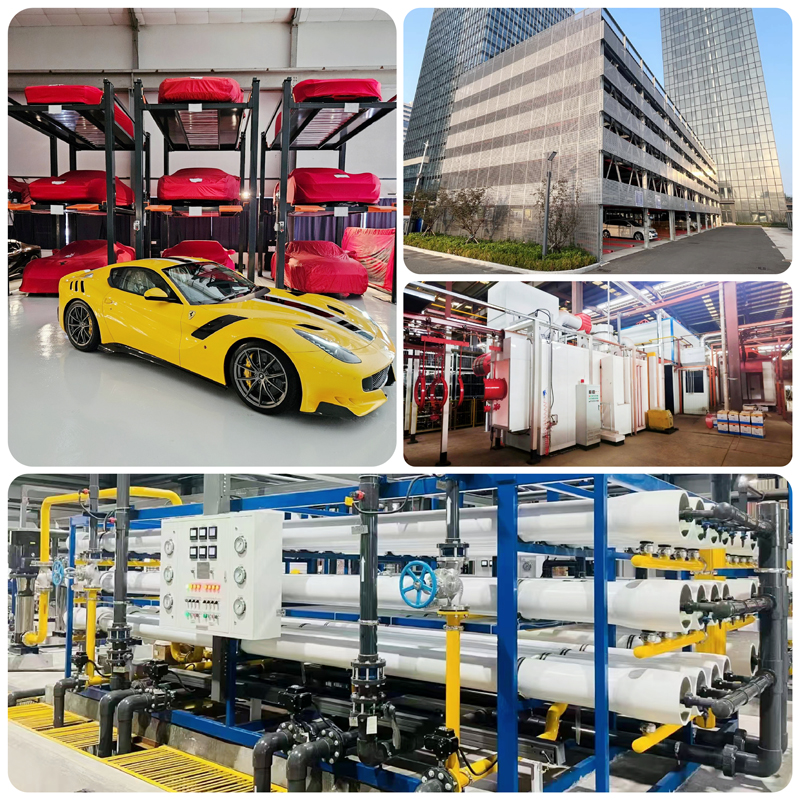
How we leverage advanced industrial manufacturing and global project delivery to support Los Angeles developers and engineers.
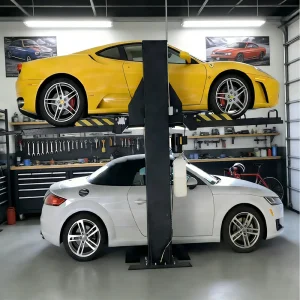
Focused on the development and production of car parking lifts, automated parking systems, car stackers, and customized parking solutions. Designed to maximize space utilization and operational efficiency, our systems are widely applied in residential buildings, commercial facilities, hospitals, and urban developments.
Providing advanced automated powder coating lines and sewage treatment plant solutions for industrial applications. These systems are engineered to improve production efficiency, surface finishing quality, and environmental sustainability, ensuring compliance with local environmental codes.
Guided by our core values—quality, innovation, reliability, and long-term partnership—our products are manufactured under rigorous QA protocols, ensuring compliance with ISO 9001, CE directives, and regional American structural and electrical certifications.
Engineered for maximum lifecycle durability and safety in sub-grade environments.
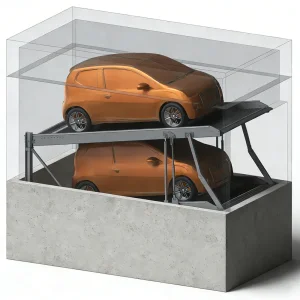
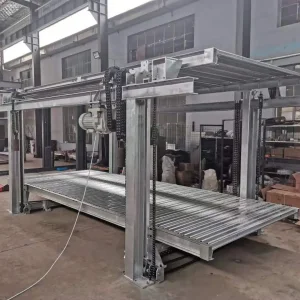
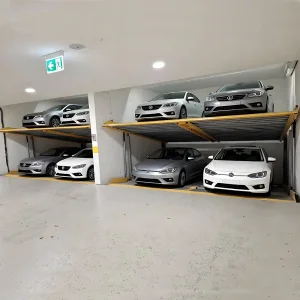
Installing subterranean pit systems in Southern California requires careful consideration of local geology. In coastal cities like Santa Monica, Venice Beach, and Long Beach, the water table can be shallow. Pits must be constructed with proper waterproofing and sealing procedures to prevent water ingress. Our engineering specifications advise structural engineers to utilize water-impermeable concrete (hydrophobic admixtures) and secondary perimeter drainage sumps.
Furthermore, in inland areas like the San Fernando Valley or downtown Los Angeles, storm runoff management must comply with the Low Impact Development (LID) standards mandated by the City of Los Angeles. Proper drainage layouts in pit bases prevent standing water, protect hydraulic oil seals, and extend the lifespan of galvanized steel platform components.
California is a leader in EV adoption, and building codes dictate that new residential and commercial structures allocate a percentage of parking spaces to be EV-Capable or EV-Ready. Integrating EV charging into a mechanical pit parking system presents unique engineering challenges:
The transition toward smart cities demands that automated parking structures connect directly to building management networks. Our future roadmap integrates IoT sensors that monitor hydraulic pressure, motor heat, and platform alignment in real time. Predictive maintenance alerts can be sent directly to local field service technicians in SoCal, reducing downtime. By using PLC controls with open API interfaces, our installations are ready to integrate with next-generation autonomous vehicle self-parking protocols.
Q: What is the typical pit depth required for a two-level pit parking system in Los Angeles?
A: The standard pit depth ranges from 1,700 mm to 2,100 mm (approx. 5.5 to 7 feet), depending on the clear height of the vehicles being stored. For standard sedans, a shallower pit suffices, whereas storing SUVs on both levels requires deeper excavation and high structural load clearances.
Q: Are these systems fully approved by LADBS for installation in LA County?
A: Yes, our systems are certified to meet international CE standards. When preparing for installation in Los Angeles, structural calculations must be signed by a California-licensed PE (Professional Engineer) to obtain LADBS permit approval. We provide full engineering datasets, structural loading dimensions, and material grade certificates to assist in this permitting phase.
Q: How is water drainage managed in a subterranean parking pit?
A: Every pit must have a sump pump pit designed into the concrete floor slab. A standard sump pump handles any minor water intrusion from rain or vehicle runoff, while drainage slopes guide water away from critical hydraulic and electric control units.
Q: What are the maintenance requirements for subterranean car stackers?
A: Under standard commercial usage, preventative maintenance is recommended quarterly. This includes inspecting hydraulic fluid levels, checking limit switches, lubricating mechanical guides, and verifying that safety locks engage correctly. In California, regular safety audits are recommended to ensure long-term liability compliance.
Q: Can EV charging stations be fitted to underground tilting lifts?
A: Yes. We can integrate dynamic cable management chains that allow EV chargers to travel vertically with the platforms. This ensures complete compliance with CALGreen requirements while keeping charging cords safe from mechanical wear.
 Cherish