 Cherish






1. The Strategic Importance of CE Certification in Mechanical Car Parking Systems
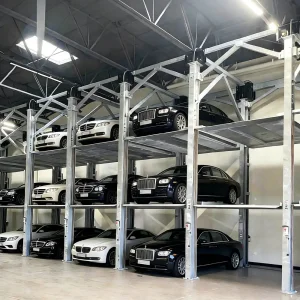
In high-density urban environments, mechanical parking systems are no longer luxury additions; they are vital infrastructure. However, the installation of these complex electro-hydraulic systems demands strict adherence to international safety metrics. CE Certification (specifically compliance with European Machinery Directive 2006/42/EC and safety standard EN 14010) serves as the baseline guarantee of structural safety and operational reliability.
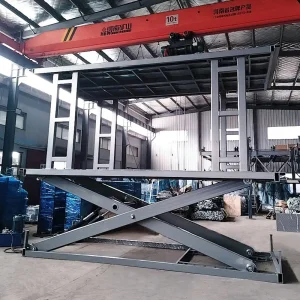
For global project developers, architects, and facilities managers, selecting a certified partner is not merely about regulatory compliance; it is a critical risk-management strategy. EN 14010 establishes rigorous guidelines for mechanical car parking systems to eliminate risk of structural failure, passenger trapping, or vehicle damage. This includes the implementation of redundant anti-fall locks, limit switches, optical safety sensors, and emergency stop devices. CE certified parking systems undergo comprehensive stress tests, finite element analysis (FEA) reviews, and electric control panel insulation audits to guarantee structural stability even under high wind loads or seismic activities.
"A certified system represents an engineering promise of quality. With safety margins calculated at multiple times the nominal load, CE compliance protects properties, operators, and the general public."
Choosing an uncertified or under-engineered parking lift can lead to catastrophic structural failure, high operational downtime, elevated liability claims, and premature component degradation. At Qingdao Cherish, we integrate compliance directly into our engineering design, ensuring that every project meets and exceeds local statutory regulations globally.